Have you ever wondered why your home still feels damp even when the air conditioner is running? Learning how to properly use a dehumidifier can make a big difference in comfort, air quality, and even the longevity of your home. A dehumidifier helps remove excess moisture from indoor air, which can reduce musty odors, discourage mold growth, and make your space feel cooler and more breathable.
What a Dehumidifier Does
A dehumidifier pulls moisture from the air and collects it in a built-in tank or drains it away through a hose. This is especially helpful in basements, laundry rooms, bathrooms, and other areas where humidity tends to build up. When used correctly, it can help maintain a healthier indoor environment and protect furniture, walls, and flooring from moisture damage.
How to Properly Use a Dehumidifier
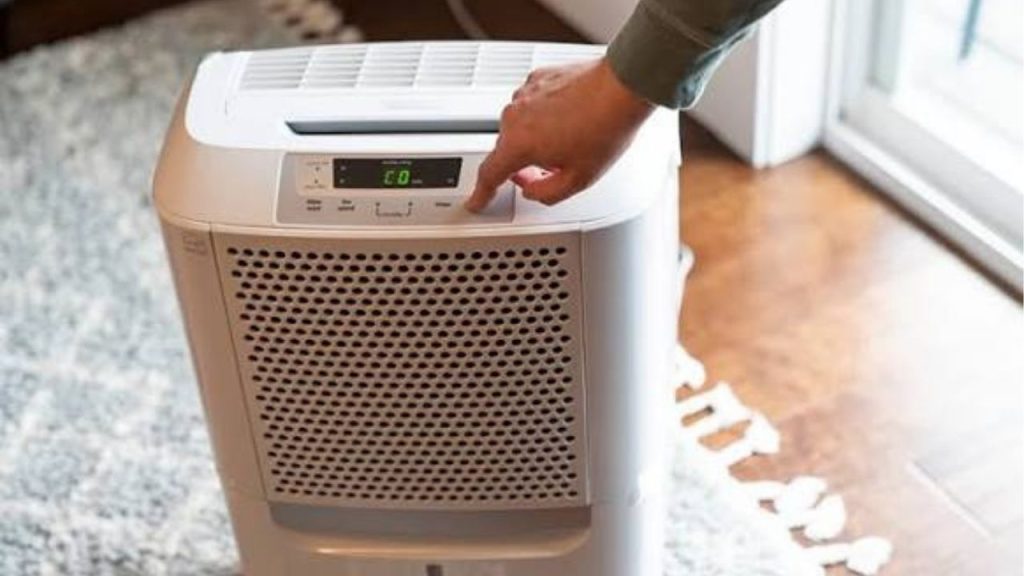
Knowing how to properly use a dehumidifier starts with placing it in the right location and setting it up for efficient performance. The unit should be positioned in a central area of the room with enough space around it for airflow. Avoid pushing it against walls or placing it behind furniture, since blocked airflow reduces effectiveness.
Choose the Right Room
Use the dehumidifier in the room with the highest humidity problem. Common areas include basements, bathrooms, kitchens, and laundry spaces. If your home has widespread humidity issues, start with the dampest room first and move the unit as needed.
Set the Ideal Humidity Level
For most homes, the ideal indoor humidity level is between 30 percent and 50 percent. Many dehumidifiers let you set a target humidity level. A good rule is to start around 45 percent and adjust based on comfort and moisture conditions. Setting it too low can waste energy and make the air feel overly dry.
Close Doors and Windows
To use a dehumidifier effectively, keep doors and windows closed while it is running. Otherwise, humid outdoor air can keep entering the room, making the unit work harder and less efficiently. This is one of the simplest ways to improve performance.
Empty or Drain the Water Properly
Most portable dehumidifiers collect water in a tank that needs to be emptied regularly. Some models also support continuous drainage with a hose. If you want less maintenance, continuous drain mode is often the best option for basements or long-term use.
Clean the Filter Regularly
A dirty filter can reduce airflow and force the unit to use more energy. Check the filter according to the manufacturer’s instructions and clean or replace it as needed. Regular maintenance helps extend the life of your dehumidifier and keeps it running efficiently.
Best Times to Run a Dehumidifier
You can run a dehumidifier during the day or at night, depending on your needs. If your basement feels damp all the time, running it continuously until humidity drops may be best. In bedrooms, many people use it overnight for quieter moisture control. During rainy seasons or in humid climates, daily use may be necessary.
Common Mistakes to Avoid
One common mistake is using a dehumidifier in a room that is too large for the unit’s capacity. Always match the dehumidifier size to the square footage of the space. Another mistake is placing it too close to walls or furniture. Also, do not forget to clean the tank and filter, since poor maintenance can affect performance.
Final Tips for Better Results
To get the most from your unit, combine dehumidifier use with other moisture control habits. Fix leaks, use exhaust fans in bathrooms and kitchens, and improve ventilation where possible. If you are trying to understand how to properly use a dehumidifier, the key is consistency, placement, and regular maintenance.
Used the right way, a dehumidifier can help create a more comfortable, cleaner, and healthier home environment.