Have you ever wondered why a duvet can come out of the washing machine lumpy, torn, or still smelling less than fresh? The truth is that washing a duvet the wrong way can damage both the fill and the fabric, but with the right method, you can clean it safely at home. If you are searching for how to wash duvet in washing machine, this guide will walk you through the safest steps to protect your bedding and your appliance.
Check the Care Label First
Before putting anything in the washer, read the care label on your duvet. This is the most important step when learning how to wash duvet in washing machine safely. Some duvets are machine washable, while others require dry cleaning only. Look for details about water temperature, cycle type, and drying instructions.
If the label says dry clean only, do not risk it. Washing the duvet anyway can cause shrinkage, clumping, or damage to the filling.
Make Sure Your Washer Is the Right Size
A duvet needs enough room to move around in the drum. If your washing machine is too small, the duvet may not get fully clean and may strain the machine. A front load washer is often the best option because it handles bulky bedding more gently and efficiently. If you have a top load washer with an agitator, be extra careful, since the center post can pull and twist the fabric.
For king-size or thick comforters, a large capacity washer is usually best.
Pre-Treat Stains and Check for Damage
Before washing, inspect the duvet for tears, loose seams, or stains. Small rips can get worse during the cycle, so repair them first if needed. For visible stains, apply a mild stain remover or a small amount of liquid detergent directly to the spot. Gently blot the area instead of scrubbing hard.
This step helps improve cleaning results and prevents stubborn marks from setting in.
Use a Gentle Detergent and the Right Settings
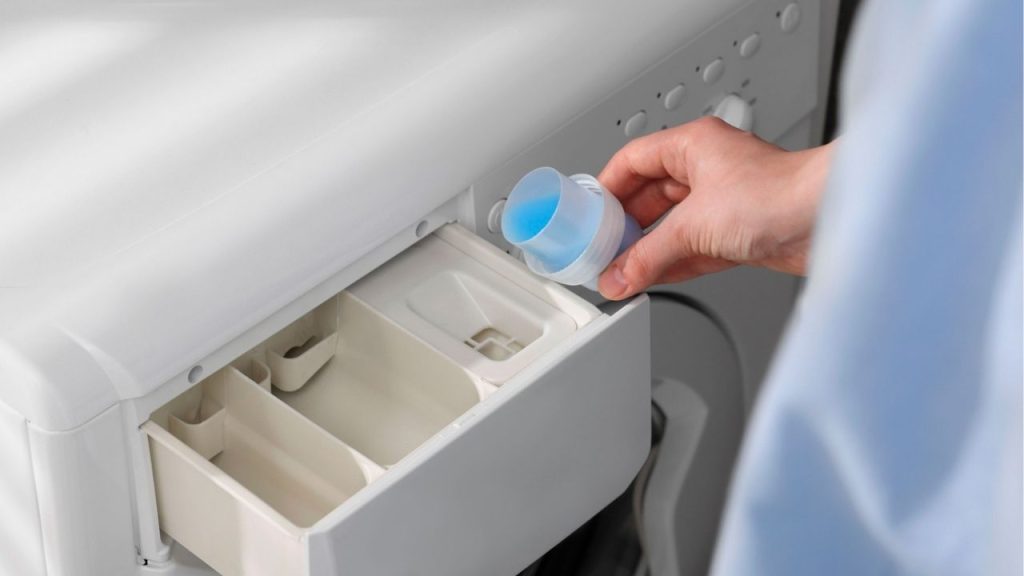
When deciding how to wash duvet in washing machine, always use a mild, liquid detergent. Too much detergent can leave residue inside the fill and make the duvet feel heavy or stiff. Avoid bleach unless the care label specifically allows it.
Choose these settings whenever possible:
- Cold or warm water
- Gentle or delicate cycle
- Extra rinse cycle if available
- Low spin speed
A gentle cycle reduces stress on the stitching and helps preserve the duvet’s shape.
Wash the Duvet Alone
Do not overload the washer with towels, sheets, or clothing. Wash the duvet by itself so it has enough space to move freely. This helps the detergent reach all areas and allows the machine to rinse it thoroughly.
If the duvet floats during the cycle, pause the washer and press it down evenly so the water can saturate the fill.
Dry It Thoroughly
Drying is just as important as washing. A damp duvet can develop mildew or a musty odor. Use a low heat or air fluff setting in the dryer, depending on the care label. Add a few clean dryer balls or tennis balls wrapped in socks to help break up clumps and restore loft.
Check the duvet often during drying. It may take several cycles to dry completely, especially for down or thicker synthetic fills. Do not put it away until it is fully dry.
Final Tips for Safe Duvet Washing
Knowing how to wash duvet in washing machine the safe way comes down to preparation, gentle settings, and proper drying. Always follow the care label, use a large enough machine, and avoid harsh products. If your duvet is oversized, delicate, or heavily soiled, consider professional cleaning instead.
With the right approach, you can keep your duvet fresh, clean, and comfortable without damaging it or your washing machine.