
Have you ever wondered why a comforter that looks clean can still trap dust, sweat, and allergens? If you are learning how to wash comforter in top load washing machine, the good news is that many comforters can be cleaned at home safely with the right steps. The key is knowing your machine’s capacity, your comforter’s fabric type, and how to avoid clumping, soap residue, and damage.
Check the Care Label First
Before you wash a comforter in a top load washing machine, always read the care label. Some comforters are machine washable, while others need dry cleaning or gentle spot cleaning only. Look for instructions about water temperature, cycle type, and drying. If the label says “dry clean only,” do not risk machine washing it.
Make Sure Your Top Load Washer Is Large Enough
A common mistake is overloading the washer. A comforter needs room to move freely so water and detergent can reach every part of it. If your top load washing machine is too small, the comforter may twist into a tight ball and come out still dirty or damaged. As a rule, a standard or king comforter usually needs a large-capacity washer. If the tub looks crowded before the cycle starts, it is probably too full.
Test the Fit Before Washing
Place the dry comforter in the drum and close the lid gently. If there is not enough room for it to loosen and move around, use a laundromat machine instead. This is one of the most important steps when figuring out how to wash comforter in top load washing machine properly.
Pre-Treat Stains and Shake Out Debris
Before washing, shake the comforter outside to remove dust, pet hair, and loose debris. Then inspect for stains around the edges, collars, or spots where spills happened. Pre-treat stains with a small amount of liquid detergent or a gentle stain remover. Let it sit for a few minutes before starting the wash cycle.
Use the Right Detergent and Settings
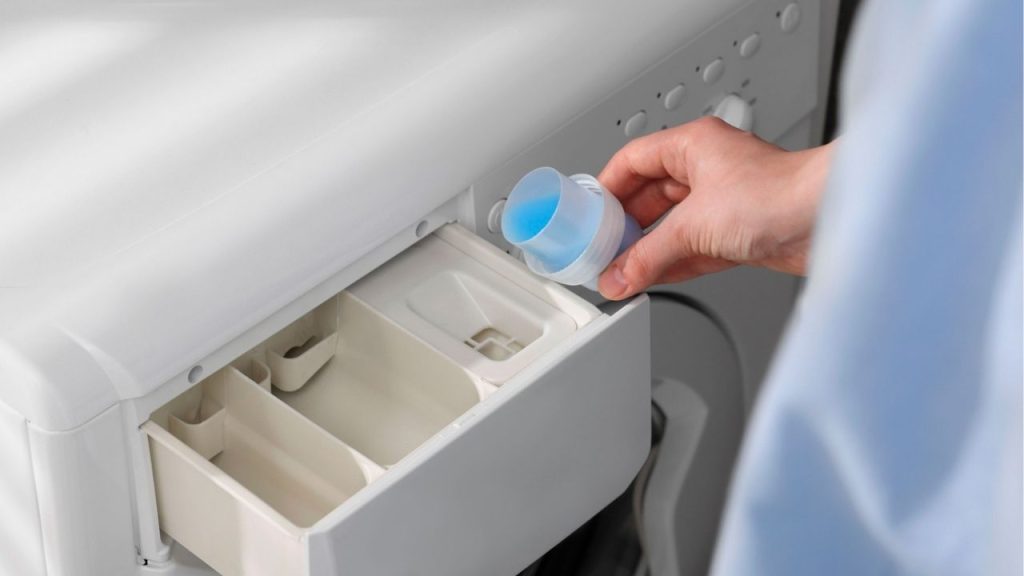
Choose a mild liquid detergent because powdered detergent can leave residue in thick bedding. Use only a small amount, since too much soap can stay trapped inside the comforter. Too much detergent can also make the comforter feel stiff after drying.
Best Washer Settings for a Comforter
Use cold or warm water unless the care label says otherwise. Select a gentle or bulky bedding cycle if your washer has one. If not, use the delicate cycle to reduce stress on the filling and stitching. A second rinse cycle can help remove any remaining detergent from the thick fabric.
Wash the Comforter Evenly
During the wash, the comforter may float or bunch up. If your washer has an auto-balance feature, it should help. If not, pause the cycle if needed and rearrange the comforter so it stays balanced. This helps prevent loud shaking, uneven cleaning, and extra wear on the machine.
Dry It Thoroughly
Drying is just as important as washing. A comforter that stays damp can develop mildew or a musty smell. Tumble dry on low heat if the care label allows it. Add clean dryer balls or a few clean tennis balls to help fluff the filling and break up clumps. Check the comforter often and rotate it as needed until it is fully dry.
Air Dry if Needed
If your comforter is too large for the dryer, hang it or lay it flat in a well-ventilated space. Turn it periodically so both sides dry evenly. Never put a wet comforter back on the bed.
Final Tips Before You Start
When learning how to wash comforter in top load washing machine, remember these basics: check the label, use a large enough washer, avoid too much detergent, and dry completely. With the right approach, you can refresh your comforter at home and keep it soft, clean, and long lasting.