
Ever wondered why some dress shirts come out crisp and clean while others shrink, wrinkle, or lose their shape after a wash? Learning how to wash dress shirts in washing machine the right way can help you protect fabric, preserve color, and keep your shirts looking polished for longer.
Why Proper Shirt Washing Matters
Dress shirts are often made from cotton, cotton blends, linen, or performance fabrics, and each one needs gentle care. Using the wrong cycle, water temperature, or detergent can cause fading, collar wear, and shrinkage. If you want your shirts to last, it is important to follow a simple washing routine that works for most machine-washable dress shirts.
Step 1: Check the Care Label
Before you wash any shirt, read the care label inside the collar or side seam. Some dress shirts are machine washable, while others may require dry cleaning or hand washing. Look for instructions about water temperature, bleach, and tumble drying. If the label says “dry clean only,” do not risk machine washing it.
Step 2: Sort Shirts by Color and Fabric
Separate white, light, and dark shirts before washing. This helps prevent color bleeding and keeps whites bright. If you are washing shirts made from different fabrics, group similar ones together when possible. Lighter cotton shirts can usually be washed with other everyday laundry, but delicate or high-end dress shirts should be washed separately.
Step 3: Pretreat Stains Before Washing
Inspect the collar, cuffs, and underarms for stains. These areas often collect body oils, makeup, and sweat. Apply a small amount of liquid detergent or a gentle stain remover directly to the spot and let it sit for 10 to 15 minutes. Gently rub the fabric together or use a soft brush if needed. Pretreating helps remove tough stains without requiring a harsh wash cycle.
Step 4: Button and Turn Shirts Inside Out
Button the shirt all the way up, including the cuffs if they have buttons. This helps the shirt keep its shape during the wash. Turning dress shirts inside out reduces friction on the outer fabric and helps protect buttons, embroidery, and the finish of the shirt. If your shirt has removable collar stays, take them out first.
Step 5: Choose the Right Washer Settings
Use a gentle or delicate cycle for most dress shirts. Cold water is usually best because it reduces shrinking and helps protect fabric color. For heavily soiled white cotton shirts, warm water may be acceptable if the care label allows it. Avoid hot water unless the shirt fabric specifically permits it. Use a low spin speed to minimize wrinkling.
Step 6: Use Mild Detergent
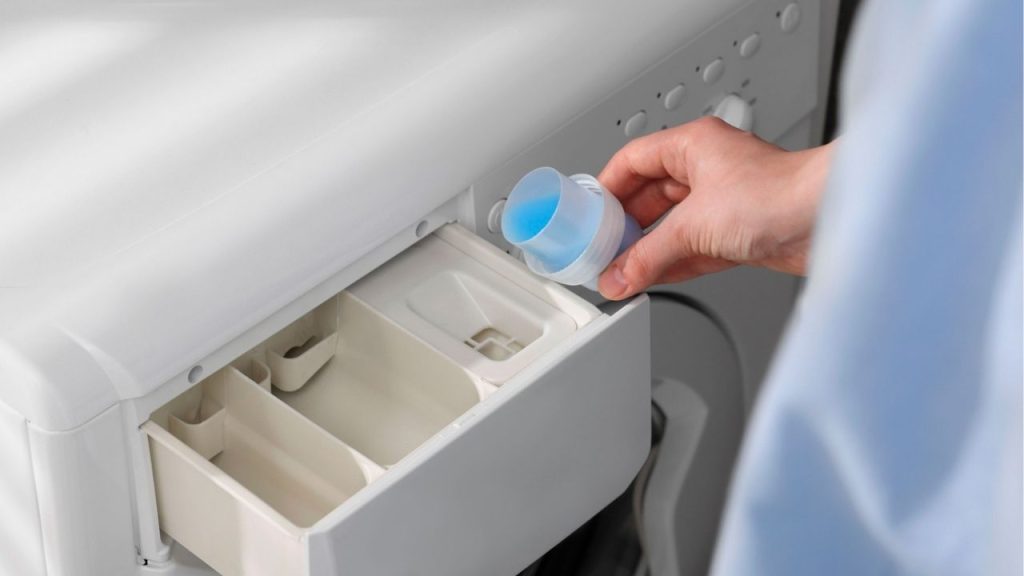
Choose a mild liquid detergent that works well in cold water. Use only the recommended amount. Too much detergent can leave residue on fabric, especially around collars and cuffs. If possible, avoid bleach unless the care label says it is safe for the shirt. For white shirts, an oxygen-based bleach may be a gentler option than chlorine bleach.
Step 7: Load the Washer Correctly
Do not overload the machine. Dress shirts need room to move so they can be cleaned evenly. A crowded washer can cause extra wrinkling and poor rinsing. Wash shirts with similar fabrics and weights to reduce wear and tear.
Step 8: Dry Properly to Prevent Wrinkles
Remove shirts from the washer as soon as the cycle ends. Shake each shirt gently to release wrinkles and hang it on a sturdy hanger. Air drying is the safest option for most dress shirts. If you use a dryer, select low heat or tumble dry low and remove the shirts while slightly damp. This makes ironing easier and helps prevent shrinkage.
Step 9: Iron or Steam for a Crisp Finish
Once dry, iron dress shirts while they are slightly damp or use a steamer for a smooth finish. Pay close attention to the collar, cuffs, placket, and sleeves. A clean, well-pressed shirt looks sharp and professional.
Final Tips for Washing Dress Shirts
If you want the best results when learning how to wash dress shirts in washing machine, always follow the care label, use cold water when possible, and avoid high heat. With the right settings and a little extra care, your dress shirts can stay clean, fresh, and ready to wear.