
Ever wonder why freshly washed bedding can still feel heavy, uneven, or not fully clean after a cycle? Learning how to wash bedding in washing machine the right way can help you protect your sheets, blankets, comforters, and pillows while keeping them fresh and comfortable.
What to Know Before Washing Bedding
Before you start, check the care label on each item. Bedding fabrics vary widely, and the wrong cycle or water temperature can cause shrinking, fading, or damage. Cotton sheets, microfiber bedding, down comforters, and delicate quilts all have different needs.
Also, make sure your washing machine is large enough for bulky bedding. Overloading the drum can prevent proper cleaning and rinsing. If the bedding is too large for your washer, a laundromat with a larger capacity machine may be the better option.
Sort Bedding by Fabric and Color
Separate light and dark bedding to avoid color transfer. It is also a good idea to wash similar fabrics together. For example, keep towels away from sheets because towels produce lint and can wear down softer materials.
If you are washing pillowcases, fitted sheets, and duvet covers together, zip or button all closures first. This helps prevent tangling and protects the fabric during the wash cycle.
Best Settings for Washing Bedding
When deciding how to wash bedding in washing machine, start with the right cycle. Most bedding does best on a gentle or normal cycle, depending on the fabric and level of soil.
Choose the Right Water Temperature
Use cold water for dark colors, bright bedding, and delicate fabrics. Warm water works well for most cotton sheets and everyday bedding. Hot water can be useful for sanitizing, but only if the care label allows it. High heat may shrink some materials and weaken elastic over time.
Select a Suitable Detergent
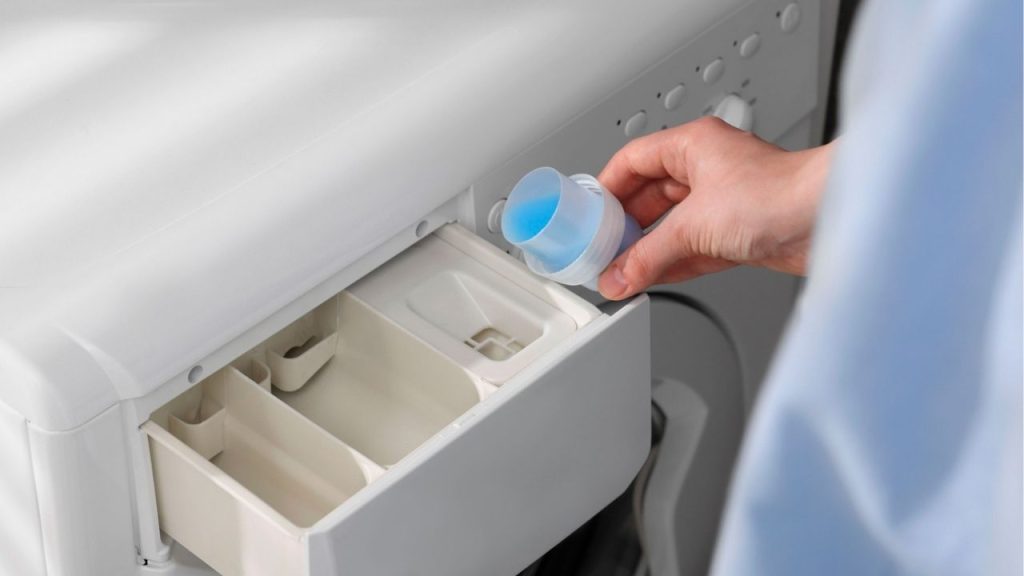
Use a mild laundry detergent and avoid overusing it. Too much detergent can leave residue on bedding, making it feel stiff or itchy. If your bedding has odors, a detergent designed for deep cleaning or an extra rinse cycle can help remove buildup.
How to Wash Different Types of Bedding
Sheets and Pillowcases
Sheets and pillowcases are usually easy to wash together. Turn them inside out if possible, and use a normal cycle with warm or cold water. Dry on low to medium heat to prevent wrinkles and shrinking.
Blankets and Comforters
Bulky items need extra space to move in the washer. Wash one comforter at a time so water and detergent can circulate evenly. Use a gentle cycle and low-spin setting to help preserve filling and stitching. For down comforters, consider adding a few clean tennis balls or dryer balls when drying to keep the filling fluffy.
Mattress Protectors and Quilts
Mattress protectors and quilts often need a delicate cycle. Always check the label before washing, especially if the item has waterproof backing, embroidery, or decorative stitching.
Drying Bedding the Right Way
Dry bedding completely to prevent mildew and musty odors. Sheets can usually go in the dryer on medium heat, while comforters and blankets may need a longer low-heat cycle. Remove items promptly to reduce wrinkles and help them stay fresh.
If possible, air dry delicate bedding or finish with a short dryer cycle. This can help extend the life of your home linens.
Common Mistakes to Avoid
Do not overload the washer. Do not ignore care labels. Do not use too much detergent. Avoid washing heavy bedding with small delicate items, since friction can damage fabric and reduce cleaning performance.
Final Tips for Cleaner Bedding
Knowing how to wash bedding in washing machine the right way makes laundry easier and helps your bedding last longer. Use the correct cycle, temperature, and detergent, and always give bulky items enough room to clean properly. With the right approach, your sheets, blankets, and comforters will come out fresher, softer, and ready for a comfortable night’s sleep.