
Did you know that most bed sheets can last longer and feel fresher when washed the right way in the washing machine? If you have ever wondered how to wash bed sheets in washing machine without shrinking, fading, or leaving behind detergent residue, the good news is that it is simple once you know a few key rules.
What to Know Before Washing Bed Sheets
Before you toss your bedding into the washer, check the care label on the sheets. Cotton, microfiber, linen, satin, and bamboo blends may all need slightly different washing settings. The label will tell you whether the sheets should be washed in cold, warm, or hot water and whether they can go in the dryer.
Also, make sure you remove pillowcases, duvet covers, and fitted sheets from the bed so everything is washed separately if needed. Washing sheets alone is usually the best way to give them enough space to move around in the machine. Overloading the washer can prevent a proper clean and trap dirt, body oils, and sweat in the fabric.
Check for Stains and Pre-Treat Them
Before starting the cycle, inspect the sheets for stains such as sweat, makeup, food, or lotion. Pre-treating spots before washing bed sheets in the washing machine can improve results. Use a small amount of stain remover or liquid detergent directly on the stain and let it sit for a few minutes before washing.
How to Wash Bed Sheets in Washing Machine the Right Way
The best method depends on the fabric, but a few general steps work for most bedding.
1. Sort by Color and Fabric
Separate white sheets from dark or colored sheets to prevent color transfer. If you are washing delicate sheets, keep them away from heavy items like towels or jeans. Mixing fabrics can cause friction, which may lead to pilling or wear.
2. Choose the Right Water Temperature
Cold water is usually a safe choice for most bed sheets because it helps protect color and reduce shrinking. Warm water can work well for cotton sheets if you want a deeper clean. Hot water is best for sanitizing sheets only if the care label allows it, especially if someone in the home has been sick or if you want to remove dust mites.
3. Use the Correct Detergent Amount
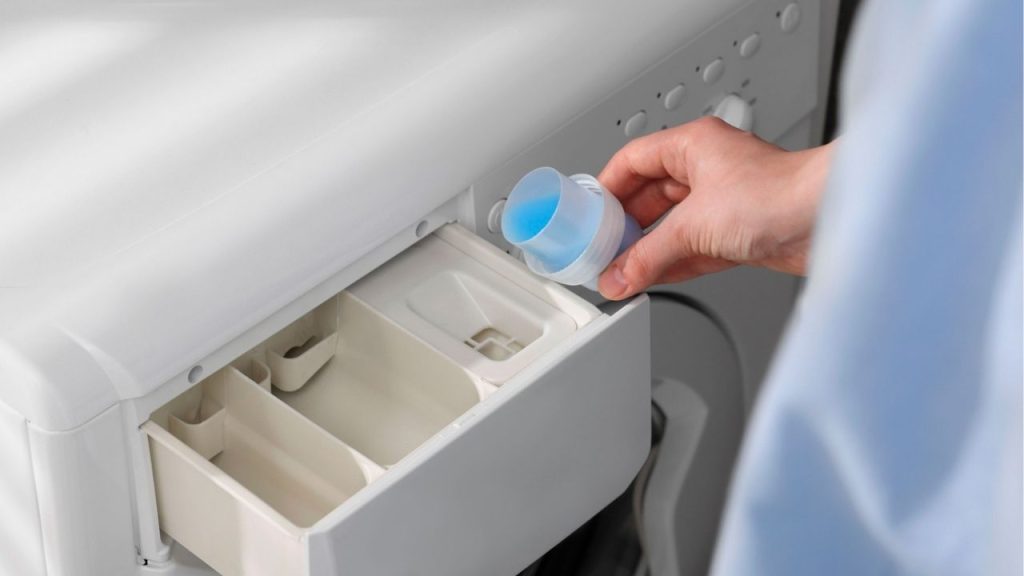
Using too much detergent is a common mistake when washing sheets in a washing machine. Extra soap can leave residue on the fabric and make sheets feel stiff or irritating against the skin. Use the amount recommended on the detergent bottle for your load size. High-efficiency washers usually need less detergent.
4. Select a Gentle or Normal Cycle
For most bedding, a gentle or normal cycle works well. Delicate fabrics such as silk or satin may need a gentler setting. A longer cycle can help remove oils and dirt, but too much agitation may damage the fibers over time.
How Often Should You Wash Bed Sheets?
Most experts recommend washing bed sheets once every one to two weeks. If you sweat a lot, have allergies, or sleep with pets, you may want to wash them more often. Regular washing helps remove dead skin cells, body oils, dust mites, and allergens that build up in bedding.
Drying Bed Sheets After Washing
After the wash cycle, shake out the sheets before drying to reduce wrinkles and help them dry evenly. If using a dryer, choose a low or medium heat setting to protect the fabric. High heat can shrink cotton sheets and weaken elastic on fitted sheets. Remove sheets promptly when dry to prevent deep wrinkles.
Final Tips for Cleaner, Fresher Sheets
If you want the best results when learning how to wash bed sheets in washing machine, remember to avoid overloading, use the right water temperature, and follow the care label. With the proper wash cycle and detergent amount, your sheets will stay softer, cleaner, and more comfortable for longer.