Did you know that a ceiling fan can make a room feel up to 4 degrees cooler without lowering the thermostat? If you are wondering how to use ceiling fan in summer, the good news is that it is one of the easiest and most affordable ways to stay comfortable during hot weather. A ceiling fan does not actually lower the temperature, but it helps your body feel cooler by improving air circulation and creating a wind-chill effect. When used correctly, it can also help reduce energy use and support your air conditioner.
How to Use Ceiling Fan in Summer
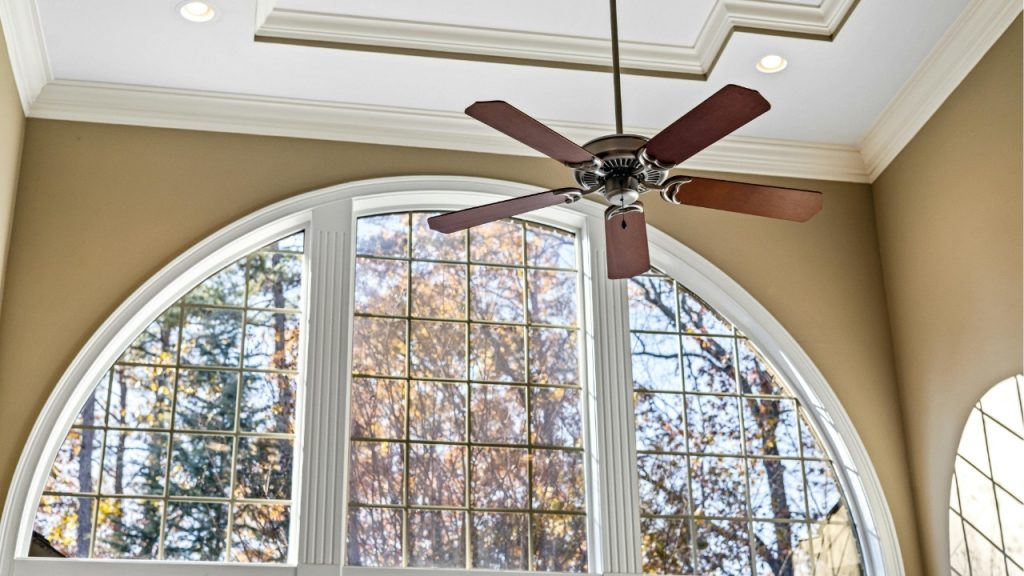
The most important rule for using a ceiling fan in summer is to set it to rotate counterclockwise. This direction pushes air downward and creates a breeze that helps sweat evaporate from your skin, which is what makes you feel cooler.
Check the fan direction
Stand under the fan while it is running. In summer, you should feel air blowing straight down. Most ceiling fans have a small switch on the motor housing that changes the blade direction. Turn the fan off before adjusting it, then switch it to counterclockwise mode for warm weather.
Use the right speed setting
For most rooms, a medium or high fan speed works best in summer. Higher speeds create a stronger cooling effect, but if you only need light airflow, a lower setting may be enough. If the room feels stuffy, increase the speed to improve air circulation.
Turn it on only when needed
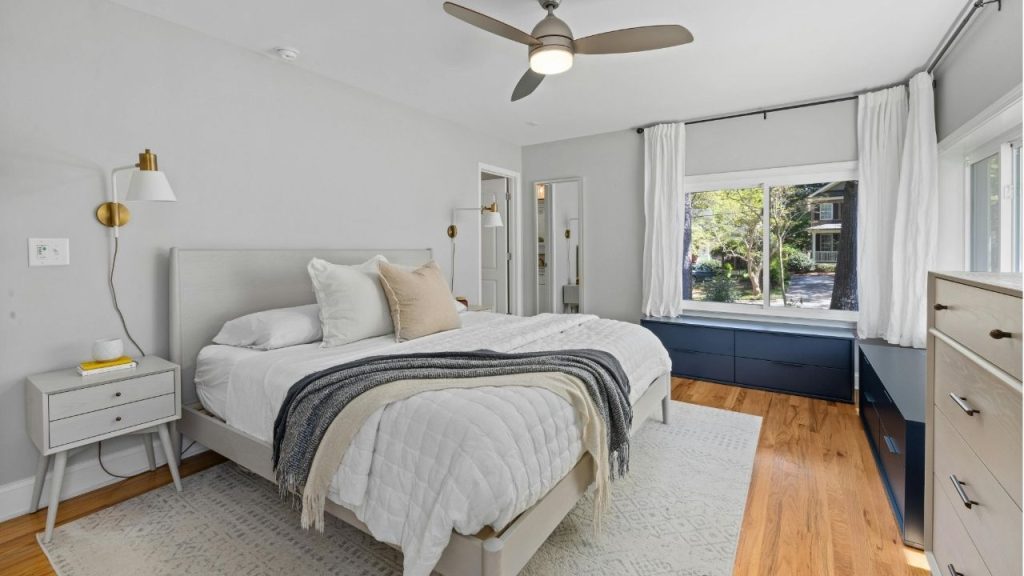
A ceiling fan cools people, not rooms. That means you should turn it off when no one is in the room. Leaving it on in an empty space wastes electricity. Use it when you are actively using the room, such as when sleeping, reading, or working.
Best Practices for Summer Ceiling Fan Use
Using a ceiling fan the right way can help you get the most comfort while keeping energy bills under control.
Pair it with your air conditioner
One of the smartest ways to use a ceiling fan in summer is to run it with your AC. Because the fan makes you feel cooler, you may be able to set the thermostat a few degrees higher without losing comfort. This can help lower cooling costs over time.
Keep the blades clean
Dust on fan blades can slow performance and spread allergens around the room. Clean the blades regularly with a microfiber cloth to keep airflow strong and your indoor air fresher.
Choose the right fan size
A ceiling fan works best when it matches the room size. A fan that is too small may not move enough air, while one that is too large can feel too strong in a small space. If you are buying a new fan, check the blade span and room size recommendations.
Common Mistakes to Avoid
Many beginners use ceiling fans incorrectly in summer, which reduces their effectiveness.
Using the wrong direction
If the fan is spinning clockwise in summer, it pulls air upward instead of pushing it down. This can make the room feel less comfortable. Always check the direction before hot weather starts.
Expecting it to cool an empty room
A ceiling fan does not lower the actual room temperature. It only helps people feel cooler. So if you leave the room, turn it off.
Running it with windows open on very hot days
On extremely hot days, open windows can let in more heat than the fan can handle. For the best results, use the fan in a closed room with your AC or during cooler parts of the day.
Final Tips for Staying Cool
If you want to know how to use ceiling fan in summer like a pro, remember three simple steps: set it to counterclockwise, use the right speed, and turn it off when the room is empty. A ceiling fan is a practical home appliance that can improve comfort, support your air conditioner, and help you save on energy bills. With the right setup, your fan can become one of the most useful tools for beating summer heat.