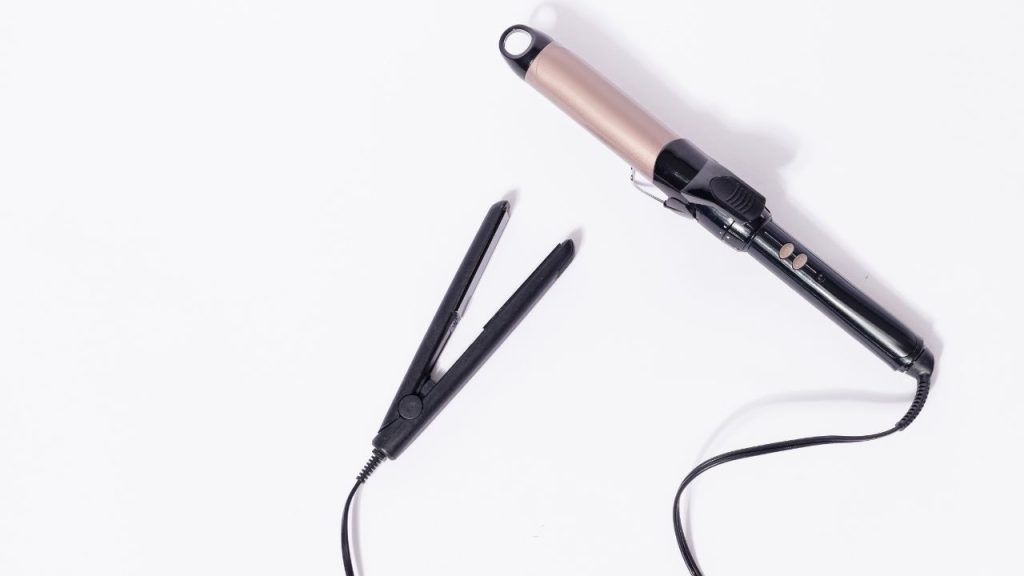
Have you ever found yourself with a wrinkled shirt and no iron in sight? A hair straightener can be a surprisingly effective backup for smoothing small clothing areas when you need a quick fix. If you are searching for how to use a hair straightener to iron clothes, this guide explains the safest and most efficient way to do it, along with tips for different fabrics, common mistakes to avoid, and when this method makes the most sense.
Can a Hair Straightener Be Used to Iron Clothes?
Yes, a hair straightener can help remove wrinkles from small sections of clothing, especially collars, cuffs, sleeves, and hems. It works best as a travel solution or emergency wrinkle remover. Since a flat iron is designed to apply heat and pressure, it can smooth fabric in much the same way as an iron, but on a much smaller scale.
However, this method is not ideal for large garments or delicate fabrics that can scorch easily. Knowing the right technique is important to avoid damaging your clothes.
What You Need Before You Start
Before using a hair straightener to iron clothes, make sure you have:
- A clean hair straightener
- Clothing that is safe for low to medium heat
- A flat, heat-safe surface
- A spray bottle with a little water, if needed
- A pressing cloth or thin cotton fabric for added protection
Make sure the straightener plates are free of hair product buildup, dust, or residue. Any buildup can transfer to your clothes.
How to Use a Hair Straightener to Iron Clothes
1. Check the Fabric Label
Look at the care tag before applying heat. Cotton, polyester blends, and similar fabrics usually respond well to this method. Avoid using a hair straightener on silk, rayon, lace, or other delicate materials unless you use very low heat and test first.
2. Set the Right Temperature
Use the lowest heat setting that can still remove wrinkles. High heat increases the risk of burning or leaving shine marks on the fabric.
3. Prepare the Wrinkled Area
Lay the garment flat and gently smooth the section you want to press. If the fabric is slightly damp, it may be easier to straighten out wrinkles. Do not soak the material.
4. Use a Pressing Cloth If Needed
Place a thin cotton cloth between the straightener and your clothing when working with sensitive fabrics. This adds a layer of protection and helps prevent heat damage.
5. Glide Slowly Over Small Sections
Clamp the hair straightener around a small wrinkled area and move it slowly from top to bottom. Use light pressure and avoid holding it in one spot too long. Repeat as needed until the wrinkle softens.
6. Let the Fabric Cool
Allow the pressed area to cool before moving or wearing the garment. This helps set the smoother finish and prevents new creases from forming.
Best Clothes to Iron with a Hair Straightener
This method works best for:
- Shirt collars
- Cuffs
- Pant hems
- Sleeves
- Small wrinkles on T-shirts
- Travel outfits
It is less effective for large items like dresses, pants legs, or bedding, since a straightener covers only a small area at a time.
Safety Tips and Common Mistakes
Do not use the straightener on wet clothes, because excessive moisture can weaken certain fabrics. Never leave the tool in one place too long. Always test on an inside seam first if you are unsure how the fabric will react.
Also, avoid using a hair straightener with dirty plates, since residue can stain clothing. If the device has a steam feature, keep in mind that most hair straighteners are not designed for ironing with steam the way garment irons are.
Final Thoughts
Learning how to use a hair straightener to iron clothes can save time when you are traveling, rushing to work, or dealing with a wardrobe emergency. While it is not a replacement for a full-size iron, it is a practical solution for quick touch-ups on small areas. With the right heat setting, careful technique, and a little patience, you can smooth wrinkles safely and keep your outfit looking polished.