Have you ever wondered why your air conditioner is running but your home still feels warm and uncomfortable? One of the most common reasons is a failing compressor, which is often the heart of the cooling system. If you are searching for how to tell if air conditioner compressor is bad, knowing the warning signs early can help you avoid bigger repairs and costly breakdowns.
What the AC Compressor Does
The compressor is responsible for pressurizing and circulating refrigerant through your air conditioning system. In simple terms, it helps move heat out of your home so cool air can flow back inside. When the compressor starts to fail, the entire cooling cycle can be affected, leading to poor performance or a complete AC shutdown.
Common Signs Your AC Compressor Is Going Bad
Warm Air Coming from Vents
If your air conditioner is blowing warm or room-temperature air instead of cool air, the compressor may not be working properly. This is one of the most obvious signs of a bad air conditioner compressor, especially if the thermostat is set correctly and the fan is running.
Weak Airflow and Poor Cooling
A failing compressor can reduce the system’s ability to cool your home efficiently. You may notice weak airflow, uneven temperatures, or that the unit runs constantly without reaching the desired temperature. These are key signs of a bad AC compressor that should not be ignored.
Loud or Unusual Noises
Healthy compressors usually operate with a steady, low-level hum. If you hear grinding, rattling, clanking, or buzzing, that could point to internal damage or electrical problems. Strange noises are a strong indicator when trying to determine how to tell if air conditioner compressor is bad.
Frequent Tripping of the Circuit Breaker
If your AC keeps tripping the breaker, the compressor may be drawing too much power or struggling to start. Electrical issues often happen when the compressor motor is worn out, overloaded, or shorted. This is a serious warning sign that needs prompt attention.
Hard Starting or Failure to Start
Sometimes the outdoor unit tries to turn on but shuts off quickly or struggles to start at all. This can mean the compressor is failing, especially if you hear clicking sounds or the system starts and stops repeatedly. A compressor that won’t start is one of the clearest bad AC compressor symptoms.
Leaking Refrigerant or Oily Residue
While refrigerant leaks do not always mean the compressor is bad, they can contribute to compressor failure over time. If you see oily residue near the outdoor unit or refrigerant lines, have it inspected right away. Low refrigerant can cause the compressor to overheat and fail.
How to Check for Compressor Problems
Inspect the Outdoor Unit
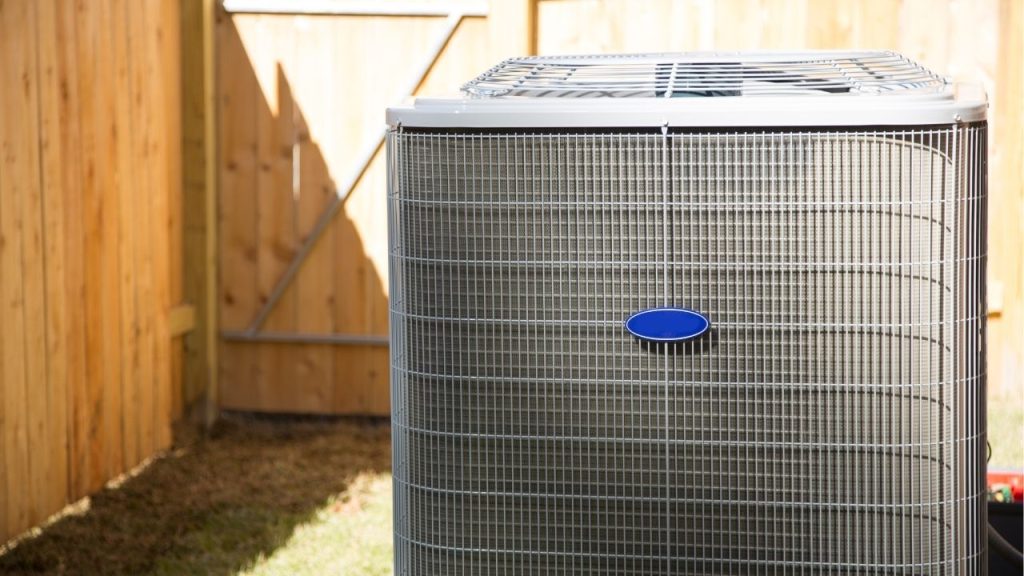
Look for visible damage, debris buildup, or signs of overheating around the condenser unit. A compressor that feels excessively hot or appears to be making unusual noises may be failing.
Listen to the System
Turn on the AC and pay attention to the sound of the outdoor unit. If the fan runs but the compressor is silent, noisy, or cycling on and off, that could confirm a problem.
Check Cooling Performance
If your AC is not cooling like it used to, even after changing the filter and setting the thermostat correctly, the compressor could be the issue. Poor cooling performance is one of the most common reasons homeowners look up how to tell if air conditioner compressor is bad.
When to Call an HVAC Technician
A bad compressor is not a do-it-yourself repair for most homeowners. Because compressors involve refrigerant, electrical components, and sealed system parts, it is best to call a licensed HVAC technician for diagnosis. Early repairs may save you from needing a full system replacement.
Final Thoughts
Learning how to tell if air conditioner compressor is bad can help you spot problems before your AC fails completely. Watch for warm air, weak airflow, loud noises, breaker trips, startup problems, and refrigerant leaks. If you notice one or more of these signs, schedule a professional inspection as soon as possible to protect your comfort and your cooling system.