Have you ever noticed your air conditioner struggling to start on a hot day, only to hum, stall, or shut off without warning? If so, one of the most common culprits may be a bad AC capacitor. Understanding how to tell if air conditioner capacitor is bad can help you catch the problem early, avoid bigger system damage, and restore cool comfort faster.
What Does an Air Conditioner Capacitor Do?
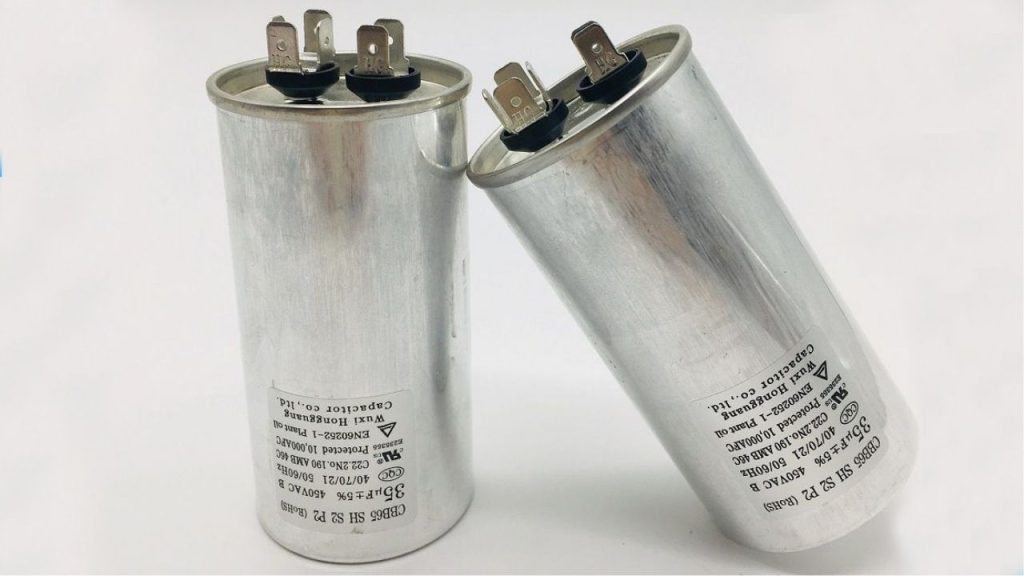
An air conditioner capacitor is a small but essential electrical component that helps start and keep your AC unit running. It stores and releases energy to power the compressor, fan motor, or both, depending on the type of capacitor your system uses. When it weakens or fails, your AC may lose the boost it needs to operate properly.
How to Tell if Air Conditioner Capacitor Is Bad
There are several clear warning signs that point to a bad AC capacitor. Some symptoms are obvious, while others may seem like general air conditioner problems at first.
AC Takes Too Long to Start
If your air conditioner hesitates before turning on, the capacitor may be losing its ability to deliver the needed electrical jolt. A healthy unit should start fairly quickly. Delayed startup is one of the most common signs of a failing capacitor.
Air Conditioner Hums But Does Not Start
A buzzing or humming sound coming from the outdoor unit is a major red flag. This often means the compressor or fan motor is trying to start, but the capacitor cannot provide enough power. If the AC hums and then stops, the capacitor could be bad.
Fan Is Not Spinning
If the outdoor fan blades are not moving while the system is on, the capacitor may be defective. In some cases, the fan may need a gentle push to start, which is another strong clue that the capacitor is weak.
Warm Air Coming From Vents
When the capacitor fails, the compressor may not run correctly. That can lead to warm air blowing through your vents instead of cool air. If the indoor blower works but cooling performance drops, the capacitor should be checked.
AC Shuts Off Randomly
Frequent cycling, unexpected shutdowns, or a system that keeps tripping the breaker can all be linked to capacitor trouble. Since the capacitor helps regulate startup and operation, a failing one can cause unstable performance.
Bulging or Leaking Capacitor
A visual inspection may reveal a swollen top, rust, oil leakage, or burn marks on the capacitor. These are clear signs the part is damaged and likely needs replacement. A physically damaged capacitor should never be ignored.
Common Causes of Capacitor Failure
AC capacitors can fail over time due to heat, age, power surges, and heavy use during peak summer months. Poor maintenance and electrical stress can also shorten their lifespan. In many homes, capacitor failure is simply a normal wear-and-tear issue.
Should You Replace It Yourself?
If you are wondering how to tell if air conditioner capacitor is bad, you should also know that capacitors store electrical charge even when the unit is off. That makes them dangerous to handle without proper training. For safety, it is usually best to have a licensed HVAC technician test and replace the capacitor.
When to Call an HVAC Professional
Call a professional if your AC will not start, makes buzzing noises, blows warm air, or shows visible capacitor damage. A technician can test the capacitor with the proper tools and determine whether it needs replacement or if another AC part is causing the issue.
Final Thoughts
Knowing how to tell if air conditioner capacitor is bad can save you time, money, and frustration. Watch for startup problems, humming sounds, weak airflow, warm air, and visible damage. If you spot these symptoms, schedule an HVAC inspection quickly to keep your cooling system running safely and efficiently.