
Have you ever wondered why freshly washed bedsheets sometimes still feel scratchy, dull, or worn out? The truth is, learning how to wash bedsheets in washing machine the right way can make a big difference in comfort, fabric life, and cleanliness. With the proper settings, detergent, and drying method, you can keep your sheets soft, fresh, and looking new for longer.
Why Proper Bedsheet Washing Matters
Bedsheets collect sweat, body oils, dust, and allergens every night. If they are not washed correctly, these build-ups can weaken the fabric and reduce freshness. Using the wrong cycle or water temperature can also cause shrinking, fading, or pilling.
When you know how to wash bedsheets in washing machine safely, you protect both the fabric and your skin. This is especially important for cotton, microfiber, linen, and blended sheets, which each react differently to heat and agitation.
Check the Fabric Care Label First
Before tossing your sheets into the washer, read the care label. This is the easiest way to avoid damage. Most bedding labels tell you the ideal water temperature, wash cycle, and drying instructions.
Common fabric tips
Cotton sheets usually handle warm water well, while microfiber often needs cold or lukewarm water. Linen can be more delicate and may last longer with a gentler cycle. If your sheets are labeled “dry clean only,” do not machine wash them.
Sort and Prepare the Bedsheets
Remove pillowcases, fitted sheets, and flat sheets from the bed set before washing. Shake them out to get rid of loose dust and debris. Check for stains and treat them before putting the sheets in the washer.
Pre-treat stains safely
Use a small amount of liquid detergent or a gentle stain remover on spots like sweat, makeup, or food stains. Let it sit for a few minutes, but avoid harsh scrubbing, which can weaken fibers.
Choose the Right Washer Settings
The safest way to wash bedsheets in washing machine is to use the correct cycle and temperature. A regular or bedding cycle works well for most sheets, but a delicate cycle is better for lightweight or fragile fabrics.
Best water temperature
Cold water is safe for most sheets and helps prevent shrinking and fading. Warm water can be used for cotton sheets if you want a deeper clean. Hot water should only be used when the care label allows it, such as for sanitizing durable cotton bedding.
Use the right spin speed
A medium spin is usually best. Too much spinning can twist sheets, stretch elastic on fitted sheets, and create extra wrinkles.
Add Detergent the Right Way
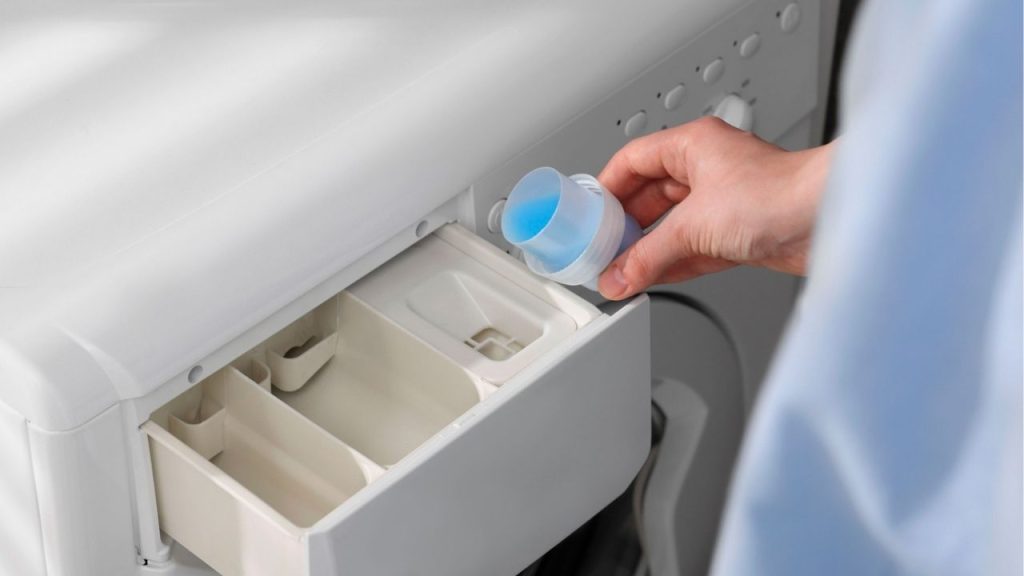
Use a mild, high-quality detergent and avoid using too much. Extra detergent can leave residue on sheets, making them feel stiff or irritating sensitive skin. For a standard load, follow the detergent label and measure carefully.
If your washer has a fabric softener dispenser, use it sparingly. Too much softener can reduce absorbency and leave buildup over time.
Dry Bedsheets Without Damage
Drying is just as important as washing. Tumble dry on low or medium heat unless the care label says otherwise. High heat can shrink cotton and damage elastic.
Best drying practices
Take the sheets out promptly to reduce wrinkles. If possible, line dry them for a fresh feel and longer fabric life. Make sure the sheets are fully dry before putting them back on the bed to prevent mildew.
How Often Should You Wash Bedsheets?
For most homes, washing bedsheets once a week is ideal. If you sweat heavily, have allergies, or share the bed with pets, washing more often may be helpful. Regular cleaning keeps your sleeping space healthier and more comfortable.
Final Tips for Safe Bedsheet Washing
To wash bedsheets safely in a washing machine, always follow the fabric label, use gentle detergent, choose the right cycle, and dry with care. These simple steps help protect your bedding from damage while keeping it fresh, soft, and clean. If you want your sheets to last longer, treating them gently is the safest and smartest approach.