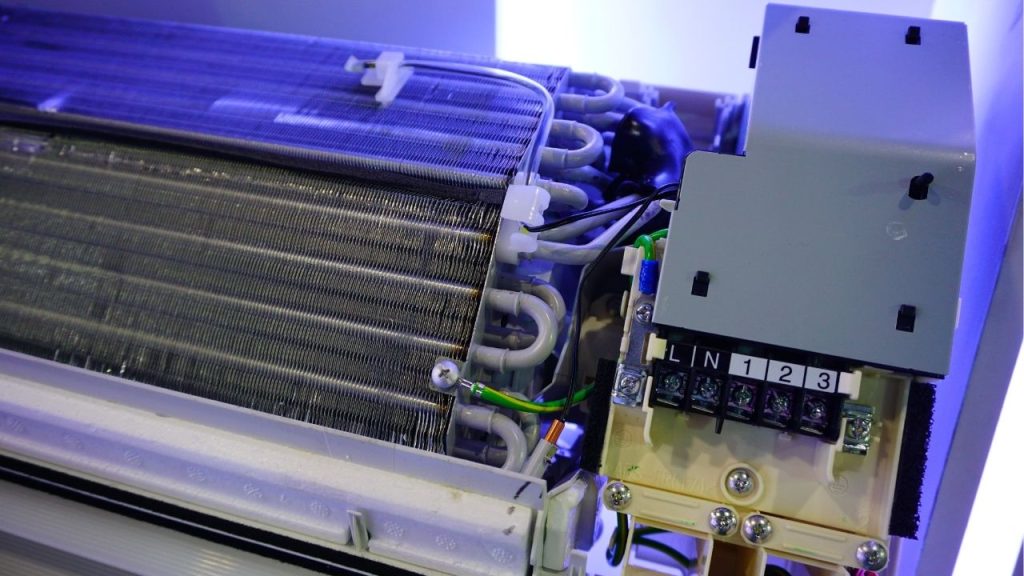
Have you ever noticed your air conditioner blowing warm air on a hot day, only to find the coils frozen solid? If so, you are not alone. Frozen AC coils are a common issue for homeowners, and learning how to unfreeze air conditioner coils the right way can help prevent costly damage and restore cooling fast.
Why Air Conditioner Coils Freeze
Frozen evaporator coils usually happen when airflow is restricted or refrigerant levels are low. When warm air cannot move properly across the coils, moisture on the coil surface turns to ice. Over time, the ice builds up and reduces cooling efficiency even more.
Common Causes of Frozen Coils
Several problems can lead to frozen air conditioner coils, including:
- Dirty air filters
- Blocked vents or registers
- Low refrigerant
- Dirty evaporator coil
- Blower fan problems
- Thermostat issues
Understanding the cause is important because simply thawing the coils will not solve the underlying problem.
How to Unfreeze Air Conditioner Coils Safely
Before you try to fix the problem, turn the system off. Running the AC while the coils are frozen can damage the compressor and make the issue worse.
Step 1: Turn Off the Air Conditioner
Set your thermostat to the off position. If possible, turn off both the cooling system and the fan at the thermostat. This stops more moisture from freezing on the coils.
Step 2: Switch the Fan to On
If your system allows it, set the fan to on instead of auto. This helps circulate indoor air over the frozen coils and speeds up the thawing process. Do not set it back to cooling until all ice has melted.
Step 3: Replace or Clean the Air Filter
A dirty air filter is one of the most common reasons air conditioner coils freeze. Check the filter and replace it if it looks clogged. If it is reusable, clean it according to the manufacturer’s instructions.
Step 4: Open All Vents and Registers
Make sure every supply vent and return vent is open and unobstructed. Furniture, rugs, or drapes can block airflow and contribute to coil freezing.
Step 5: Let the Coils Thaw Completely
Allow the frozen AC coils to thaw naturally. This can take several hours, and in some cases, up to 24 hours. You can place towels around the indoor unit to catch water from melting ice.
Step 6: Inspect for Drainage Problems
Once the ice is gone, check the condensate drain pan and drain line. A clogged drain can cause excess moisture buildup, which may lead to freezing again.
When to Call an HVAC Professional
If your AC coils keep freezing after thawing, the problem may be more serious. Low refrigerant, a failing blower motor, or a dirty evaporator coil often requires professional repair.
Signs You Need Expert Help
Call an HVAC technician if you notice:
- Ice returns after a few hours or days
- Weak airflow from vents
- Hissing sounds near the unit
- Water leaking around the indoor system
- Reduced cooling performance
Refrigerant issues should never be handled without proper training and equipment.
How to Prevent Frozen Air Conditioner Coils
Preventing frozen coils is easier than fixing them. Change air filters regularly, schedule annual HVAC maintenance, and keep vents clear. It also helps to have your system inspected before peak summer use.
Maintenance Tips That Help
- Replace filters every 1 to 3 months
- Keep supply and return vents open
- Have coils cleaned during routine maintenance
- Check for airflow issues early
- Schedule refrigerant inspections if cooling drops
Final Thoughts
Knowing how to unfreeze air conditioner coils can save time, reduce repair costs, and protect your HVAC system. Start by turning the unit off, improving airflow, and letting the ice melt completely. If the problem keeps happening, contact a licensed HVAC professional to find the root cause and keep your home cool all season long.
Understanding the common causes of frozen coils can significantly help you learn how to unfreeze air conditioner fast and restore your unit's efficiency.
Understanding the causes of frozen coils is crucial, as many homeowners can quickly learn how to unfreeze an air conditioner if they recognize the airflow issues or refrigerant problems involved.