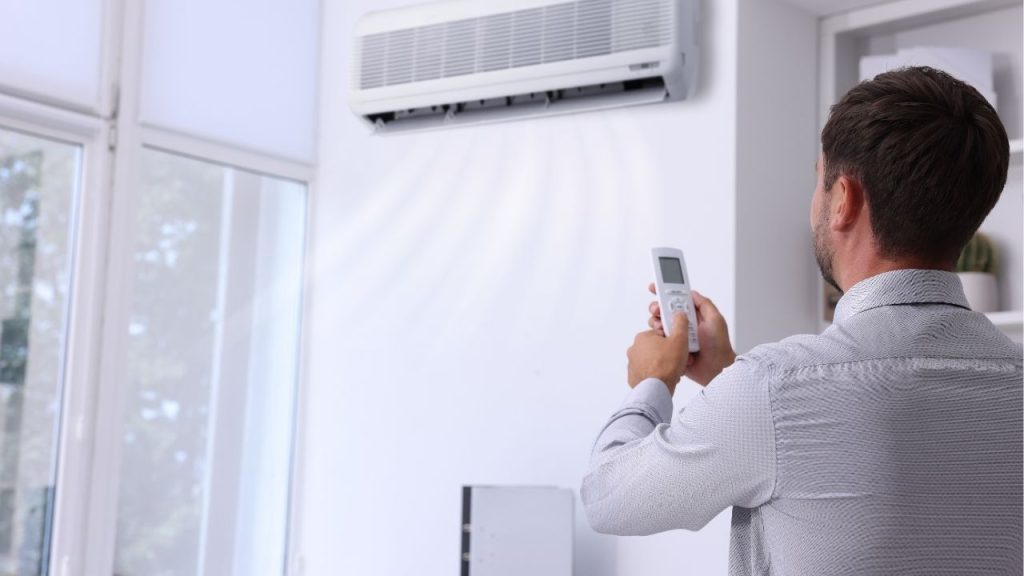
Have you ever noticed your air conditioner blowing warm air or seeing ice buildup on the coils during a hot summer day? If so, you are likely searching for how to unfreeze air conditioner fast without causing more damage. A frozen AC unit is a common issue, and the good news is that in many cases, you can safely fix it yourself with a few simple steps.
Why Your Air Conditioner Freezes Up
An air conditioner freezes when airflow is restricted or when the refrigerant system is not working properly. Common causes include dirty air filters, blocked vents, low refrigerant, dirty evaporator coils, or a failing blower motor. When warm air cannot move properly across the coils, moisture turns into ice instead of draining away.
How to Unfreeze Air Conditioner Fast
If you want to unfreeze air conditioner fast, start by turning the system off immediately. Continuing to run a frozen AC can damage the compressor and make the problem worse.
Step 1: Turn Off the Cooling Mode
Set your thermostat to “off” and switch the fan to “on” if your system allows it. Running the fan helps circulate room-temperature air over the frozen coils and speeds up the thawing process.
Step 2: Replace the Air Filter
A clogged air filter is one of the most common reasons an air conditioner freezes. Replace it with a clean filter if it looks dirty. This simple step often restores proper airflow and helps your AC thaw faster.
Step 3: Open Vents and Registers
Make sure all supply vents and return vents are open and unobstructed. Furniture, curtains, or dust buildup can reduce airflow and contribute to frozen air conditioner problems.
Step 4: Let the Ice Melt Completely
Allow the ice to thaw naturally. Depending on the amount of buildup, this may take a few hours. You can place towels around the indoor unit to catch water as the ice melts. Avoid using sharp tools, hot water, or a hair dryer, since these can damage the coils.
How to Speed Up the Thawing Process
If you need to know how to defrost AC unit safely and a little faster, use these tips:
Run the Fan Only
Set the thermostat fan to “on” without cooling. This keeps air moving over the coils and helps melt ice more quickly.
Check the Drain Line
A clogged condensate drain can cause moisture to back up and freeze. If you know how to safely clear a drain line, remove any visible blockage. Otherwise, leave this to an HVAC technician.
Clean Around the Outdoor Unit
If the outside condenser is dirty or blocked by leaves and debris, airflow can be restricted. Clear at least two feet of space around the unit for better performance.
When to Call an HVAC Technician
If your AC keeps freezing after you unfreeze it, the problem may be more serious. Low refrigerant, a failing blower motor, dirty evaporator coils, or a damaged thermostat often require professional repair. If you smell something unusual, hear grinding noises, or the system will not cool after thawing, call an HVAC technician.
How to Prevent Your AC from Freezing Again
Preventing future issues is just as important as learning how to unfreeze air conditioner fast. Replace air filters every 1 to 3 months, schedule annual maintenance, keep vents open, and have your refrigerant level checked if cooling seems weak. Regular AC maintenance helps improve airflow, efficiency, and system lifespan.
Final Thoughts
Knowing how to unfreeze air conditioner fast can save you time, stress, and money. In many cases, the fix is as simple as turning the system off, changing the filter, and letting the ice melt naturally. If the issue keeps coming back, do not ignore it. A frozen AC unit is often a sign that your system needs professional attention.
If you're experiencing a frozen AC, it’s crucial to understand the process of how to unfreeze air conditioner coils to effectively restore your system's cooling capabilities.
To effectively manage your energy bills and maintain a comfortable environment, it's essential to understand how to unfreeze an air conditioner unit when it encounters issues during hot weather.