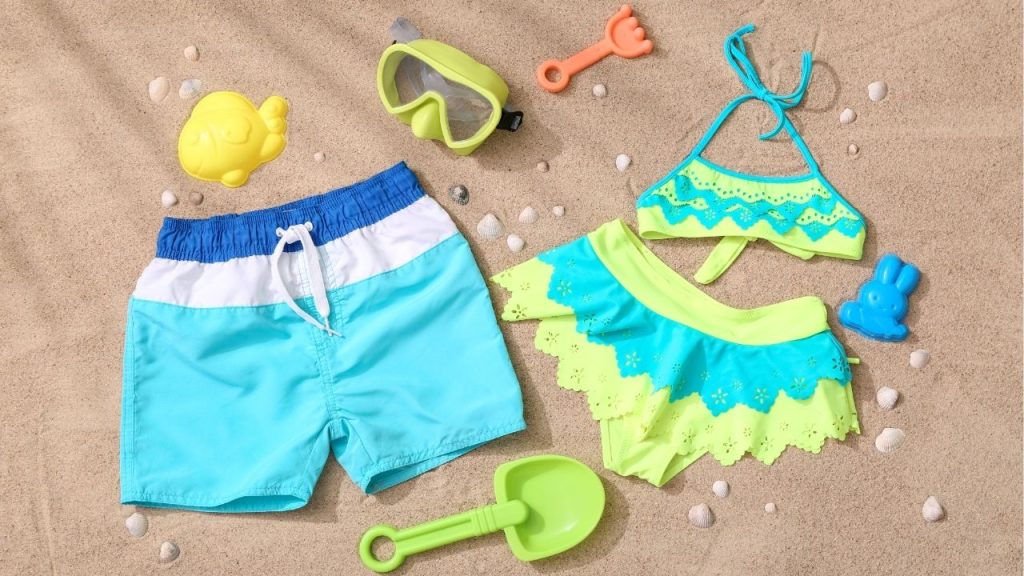
Have you ever ruined a favorite swimsuit by washing it the wrong way? Swimwear is made from delicate materials like nylon, spandex, and polyester blends, which means it needs extra care to keep its shape, elasticity, and color. If you are wondering how to wash swimwear in washing machine without damaging it, the good news is that it can be done safely with the right steps.
Why Swimwear Needs Special Care
Swimwear is exposed to chlorine, saltwater, sunscreen, body oils, and sweat. Over time, these can weaken fabric fibers and cause fading, stretching, or thinning. A washing machine can clean swimwear effectively, but only if you use a gentle method.
Check the Care Label First
Before washing, always read the garment tag. Some swimsuits are machine washable, while others may require hand washing only. If the label says machine wash allowed, use the gentlest settings possible to protect the fabric.
How to Wash Swimwear in Washing Machine the Right Way
Follow these step-by-step instructions to clean your swimsuit safely and extend its lifespan.
1. Rinse the Swimwear First
After swimming, rinse your swimsuit in cool water as soon as possible. This helps remove chlorine, salt, sand, and sunscreen residue before they settle into the fabric.
2. Place the Swimwear in a Mesh Laundry Bag
To prevent snagging and stretching, put the swimsuit inside a mesh laundry bag. This is especially important for bikinis, one-piece swimsuits, and swim trunks with delicate seams or ties.
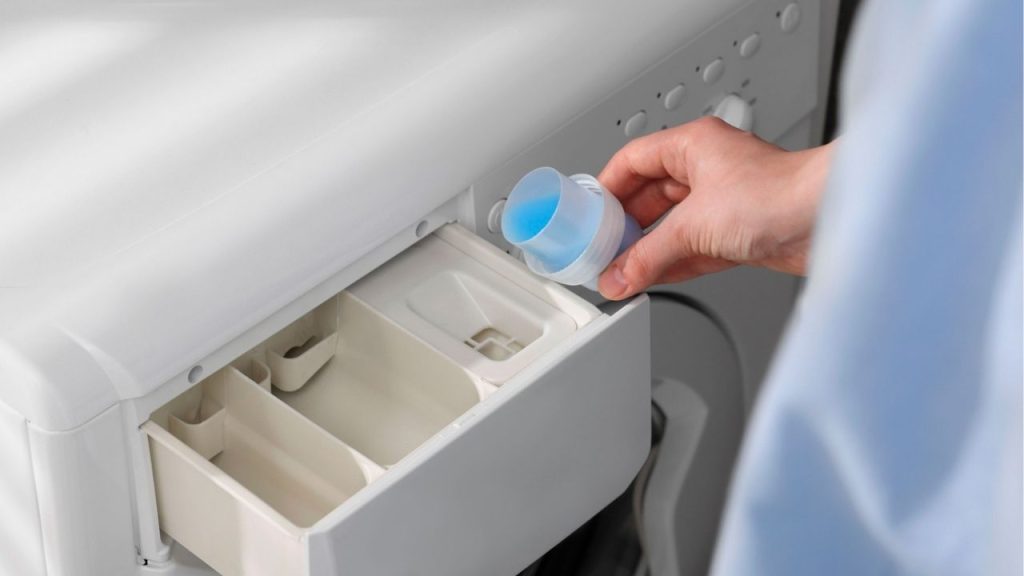
3. Use a Mild Detergent
Choose a gentle, liquid detergent made for delicate fabrics. Avoid bleach, fabric softeners, and harsh stain removers because they can break down elastic fibers and fade colors.
4. Select Cold Water and the Delicate Cycle
Set your washing machine to cold water and the delicate or gentle cycle. Heat can damage spandex and cause swimsuits to lose their stretch. A slow spin cycle also helps reduce wear and tear.
5. Wash with Similar Lightweight Items
If you are washing swimwear with other items, only include lightweight clothes like other delicate garments. Do not wash swimsuits with towels, jeans, or heavy fabrics that can cause friction and stretching.
6. Remove the Swimwear Promptly
Once the cycle ends, take the swimsuit out right away. Leaving it in the washer can create wrinkles and allow the fabric to stay wet too long, which may lead to odor or damage.
How to Dry Swimwear Properly
Drying is just as important as washing when it comes to preserving swimwear.
Air Dry Only
Never put swimwear in the dryer. High heat can ruin elasticity and warp the fabric. Instead, gently squeeze out excess water without twisting the suit, then lay it flat on a clean towel or hang it in a shaded area.
Avoid Direct Sunlight
Sunlight can fade colors and weaken fabric over time. Dry swimwear in a cool, breezy place instead of placing it in direct sun for long periods.
Common Mistakes to Avoid
Many people shorten the life of their swimwear by making simple washing mistakes. Avoid these habits:
Using Hot Water
Hot water can damage elastic fibers and cause shrinkage.
Skipping the Laundry Bag
Without protection, straps and delicate fabric can get tangled or stretched.
Using Too Much Detergent
Too much soap can leave residue in the fabric and make swimwear feel stiff.
Final Tips for Longer-Lasting Swimwear
If you want your swimsuit to last all season, rinse it after every use, wash it only when needed, and always follow gentle care instructions. Knowing how to wash swimwear in washing machine the proper way helps keep your favorite suits looking bright, stretchy, and comfortable for many trips to the pool or beach.