Did you know that a properly used vacuum pool cleaner can remove fine debris, improve water clarity, and help reduce strain on your pool filtration system? If you want cleaner water with less effort, learning how to use vacuum pool cleaner correctly is the key. Whether you have an above ground or inground pool, the right technique can make a big difference in cleaning results and overall pool maintenance.
How to Use Vacuum Pool Cleaner the Right Way
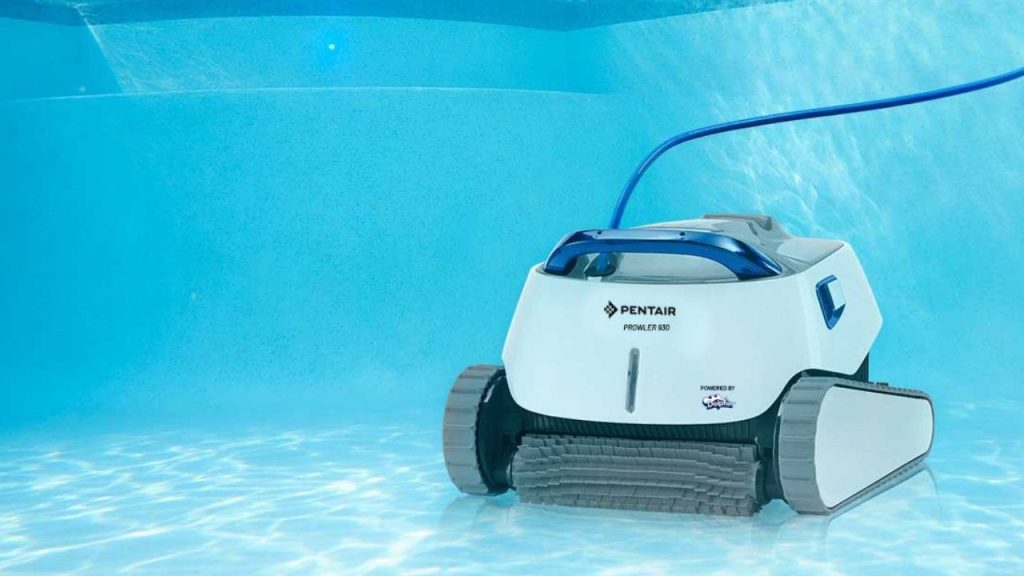
Before you start, make sure your vacuum pool cleaner is compatible with your pool type and filtration system. Most pool owners use either a manual pool vacuum, an automatic pool cleaner, or a robotic pool cleaner. Each one works differently, but the basic goal is the same: remove dirt, leaves, algae, and debris from the pool floor and walls.
Step 1: Prepare the Pool
Skim leaves and large debris from the surface first. Brush the walls, steps, and floor so loose dirt settles. If the water level is too low, refill it to the middle of the skimmer opening. This helps the vacuum work properly and keeps air from entering the system.
Step 2: Assemble the Vacuum Equipment
For a manual pool vacuum, connect the vacuum head to the telescopic pole, then attach the vacuum hose. Submerge the hose fully in the water to remove trapped air. If you are using a suction pool cleaner, connect it according to the manufacturer instructions and ensure all fittings are secure.
Step 3: Prime the Hose
A common mistake when learning how to use vacuum pool cleaner is leaving air in the hose. Air can reduce suction and make cleaning less effective. Place one end of the hose near a return jet or hold it underwater until all bubbles stop coming out. Then connect it to the skimmer or dedicated vacuum line.
Step 4: Vacuum Slowly and Methodically
Move the vacuum head slowly across the pool floor in straight, overlapping lines. Fast movements stir up debris instead of collecting it. Start in the shallow end and work toward the deep end. Pay extra attention to corners, steps, and areas where algae and sediment collect.
Best Tips for Better Vacuum Pool Cleaning Results
Clean the Filter Before and After Vacuuming
A dirty filter reduces suction and lowers cleaning performance. Check your pool filter, pump basket, and skimmer basket before you begin. After vacuuming, clean them again if needed. This is one of the easiest ways to improve vacuum pool cleaner performance.
Choose the Right Time of Day
The best time to vacuum a pool is when the debris has settled, often in the morning or after the pool has been unused for several hours. Avoid vacuuming during windy conditions, since new debris can fall into the water while you clean.
Use Proper Pump Settings
If your system has multiple valve settings, make sure they are set correctly for vacuuming. Some pools work best on filter mode, while others may require waste mode for heavy dirt or algae. Check your owner’s manual before changing settings.
Brush Problem Areas First
If you notice algae spots or stuck-on grime, brush those areas before vacuuming. This helps loosen buildup and gives your vacuum cleaner a better chance to capture it.
Common Mistakes to Avoid
Do not move the vacuum too quickly. Do not let the hose twist or kink. Do not vacuum with a full skimmer basket or clogged filter. Also, avoid running the pump dry, since that can damage the equipment. These simple mistakes can reduce suction and lead to poor cleaning results.
Final Thoughts
Knowing how to use vacuum pool cleaner correctly can save time, protect your pool equipment, and keep your water looking crystal clear. By preparing the pool, priming the hose, vacuuming slowly, and maintaining your filter system, you can get the best results every time. With the right routine, pool vacuuming becomes a simple and effective part of regular pool care.