Did you know that many old washing machines can still deliver reliable cleaning performance for years if used correctly and maintained properly? If you are wondering how to use old washing machine models safely and efficiently, the good news is that most older units are simple to operate and can still handle everyday laundry with ease. Whether you recently inherited a vintage washer, bought a secondhand appliance, or want to get more life out of your current machine, understanding the basics can help you avoid damage, save energy, and keep clothes clean.
What to Check Before Using an Old Washing Machine
Before you learn how to use old washing machine systems, inspect the appliance carefully. Look for worn hoses, loose knobs, rust, leaks, and unusual odors. Older washing machines may still work well, but aging parts can cause problems if ignored.
Make sure the machine is level on the floor, connected to a proper water supply, and plugged into a grounded outlet. If the washer has been sitting unused for a while, run a short test cycle with no laundry to confirm that the drum, agitator, drain, and spin function all work correctly.
Inspect the Water Hoses and Drain Line
Old hoses can crack over time. Check for bulges, leaks, or brittleness and replace them if needed. Also make sure the drain hose is securely placed to prevent water from backing up or spilling onto the floor.
How to Use Old Washing Machine Step by Step
Using an older washer is usually straightforward. Most traditional top-load and older front-load machines have simple controls and fewer settings than modern models.
1. Sort the Laundry
Separate clothes by color, fabric type, and soil level. This helps reduce fading, fabric damage, and uneven washing. Heavy items like towels and jeans should be washed separately from delicate fabrics.
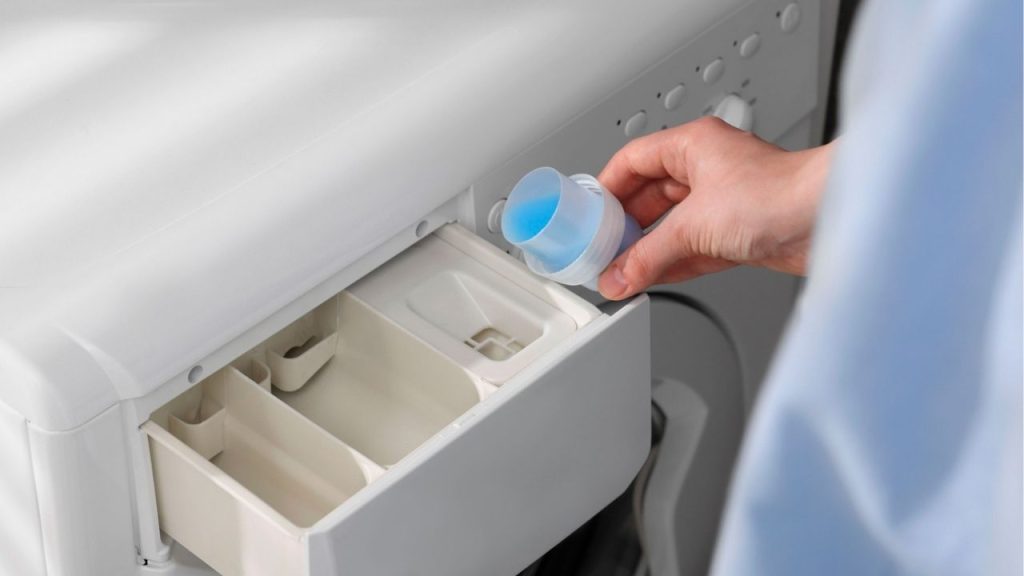
2. Add Detergent
Use the correct amount of detergent for your machine type. Many old washing machines work best with standard or low-sudsing detergent. Too much soap can leave residue and affect rinsing performance.
3. Load the Clothes
Do not overload the drum. Old washing machines need room for clothes to move freely so water and detergent can circulate properly. A balanced load also helps reduce strain on the motor and agitator.
4. Select the Water Level and Cycle
If your washer has manual controls, choose the water level based on load size. For a basic cycle, use regular wash for durable fabrics and gentle wash for lighter items. Some older models may have only a few settings, which makes operation even simpler.
5. Start the Wash
Turn the dial or press the start mechanism to begin the cycle. Stay nearby during the first few minutes to make sure the machine fills properly and does not make loud banging, grinding, or squealing sounds.
6. Check the Rinse and Spin
Once washing is complete, make sure the rinse and spin cycles work correctly. If clothes come out too wet, the spin function may need cleaning or repair. In many older units, a clogged drain pump or worn belt can cause draining issues.
Tips for Using an Old Washer Efficiently
To get the best results when you use an old washing machine, keep maintenance simple but consistent. Clean the lint filter if your model has one. Wipe the tub and lid regularly to prevent buildup. Avoid using bleach or harsh chemicals too often, since older components may wear faster.
If the machine shakes heavily, check the load balance and make sure the feet are adjusted evenly. Minor vibration is normal, but excessive movement can signal a deeper issue.
When to Repair or Replace It
An old washing machine can last a long time, but some warning signs mean it may be time for professional service. Frequent leaks, failure to drain, burning smells, electrical issues, or repeated loud noises should not be ignored. In many cases, replacing a damaged hose, belt, or lid switch can restore performance.
Final Thoughts
Learning how to use old washing machine appliances is mostly about careful loading, proper detergent use, and routine inspection. With the right approach, an older washer can still be a dependable laundry solution. By maintaining the machine and watching for early signs of wear, you can extend its lifespan and keep your clothes fresh without unnecessary hassle.