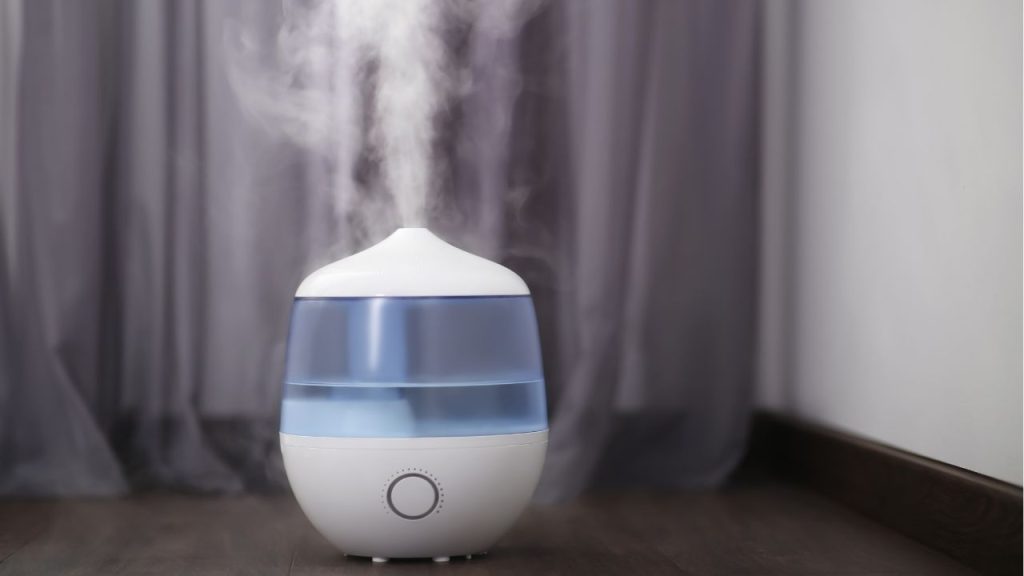
Did you know that indoor air can become drier than the desert during winter months, especially when heating systems run nonstop? If you are wondering how to use humidifier with water the right way, the answer starts with choosing the correct water, filling the tank properly, and cleaning the unit regularly. A humidifier can improve comfort, help relieve dry skin, and support easier breathing, but only if it is used correctly.
Why Water Matters in a Humidifier
Water is the core ingredient that allows a humidifier to add moisture to the air. However, not all water is equally effective. The type of water you use can affect performance, cleanliness, and even the amount of mineral dust released into your room.
Using the right water helps your humidifier run efficiently and reduces buildup inside the tank. It can also help prevent odors, white dust, and unnecessary wear on the appliance.
Best Water to Use in a Humidifier
The best choice for most models is distilled water. Distilled water contains fewer minerals, which means less residue in the tank and less white dust in the air.
If distilled water is not available, filtered water is usually a better option than tap water. Tap water can work in many humidifiers, but it may leave mineral deposits behind, especially in areas with hard water.
What to Avoid
Do not use essential oils unless your humidifier is specifically designed for them. Adding oils to a standard humidifier can damage the unit. Also avoid using hot water unless the manufacturer says it is safe, since some machines are built only for cool or room-temperature water.
How to Use Humidifier with Water Correctly
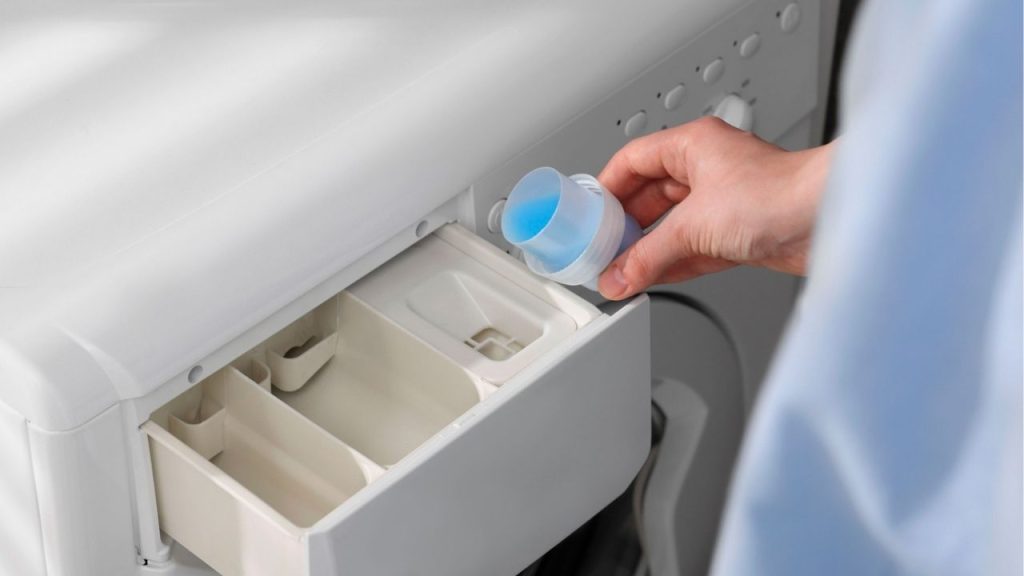
Start by unplugging the humidifier before filling it. Remove the tank and open the fill cap according to the user manual. Pour in clean water up to the recommended fill line, but do not overfill.
After filling, secure the cap tightly and place the tank back onto the base. Then plug in the unit and turn it on. Choose the setting that matches your room size and comfort needs. For most homes, a moderate setting is enough.
Set the Humidity Level Properly
The ideal indoor humidity level is usually between 30 and 50 percent. Too little moisture will not help much, while too much humidity can lead to condensation, mold, and dust mites. If your humidifier has a built-in humidistat, use it to maintain a balanced level.
Cleaning Tips for Better Results
Regular cleaning is essential when learning how to use humidifier with water effectively. Empty the tank daily and rinse it with fresh water. Once a week, clean it with a mixture of water and white vinegar or follow the manufacturer’s instructions.
This helps remove mineral buildup, bacteria, and mold. Dry all parts thoroughly before reassembling the unit. A clean humidifier works better, lasts longer, and provides healthier moisture.
Replace Water Often
Do not let water sit in the tank for days. Stagnant water can develop odor and create conditions for microbial growth. Fresh water each day is a simple habit that improves performance and air quality.
Extra Tips for the Best Results
Place the humidifier on a flat, water-resistant surface away from walls and electronics. Keep doors and windows closed when possible so moisture stays in the room. For bedroom use, run the humidifier before sleep and adjust the output so the air feels comfortable, not damp.
If you notice white dust, noisy operation, or weak mist, check the water type, filter, and mineral buildup. Small changes can make a big difference in how well the machine performs.
Final Thoughts
Knowing how to use humidifier with water the right way can help you get cleaner mist, better comfort, and longer appliance life. Choose distilled or filtered water, fill the tank carefully, clean the unit often, and keep humidity at a healthy level. With the right routine, your humidifier can deliver the best results all season long.