
Have you ever wondered why your clothes come out cleaner, fresher, and less wrinkled when you know how to use a dry washing machine the right way? Whether you are using a washer with a dryer function, a ventless drying cycle, or a compact all-in-one laundry appliance, understanding the right settings and steps can help protect your fabrics and save time.
What Is a Dry Washing Machine?
A dry washing machine is often used to describe a washing machine with a drying feature or a combined washer dryer. Instead of transferring clothes to a separate dryer, the machine can wash and dry laundry in one unit. This makes it a practical choice for apartments, small homes, and busy households.
How to Use Dry Washing Machine Step by Step
1. Sort Your Laundry
Before starting, separate clothes by fabric type, color, and care label instructions. Delicate items, heavy towels, and everyday cottons should not always be dried on the same setting. Sorting helps prevent shrinkage, damage, and uneven drying.
2. Load the Machine Properly
Do not overload the drum. A dry washing machine needs enough room for clothes to tumble freely so both washing and drying work efficiently. Overloading can leave clothes damp and reduce cleaning performance.
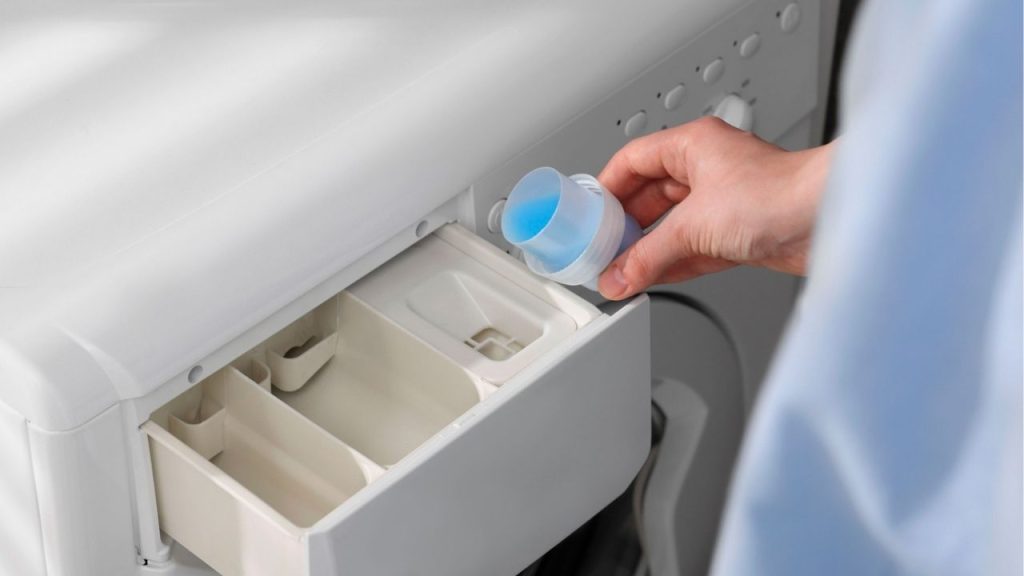
3. Add Detergent
Use the recommended amount of laundry detergent. If your machine has a drying cycle, avoid using too much detergent because excess suds can affect rinsing and drying results. High-efficiency detergent is best for most modern washers.
4. Select the Wash Cycle
Choose the cycle based on fabric and soil level. Common settings include normal, quick wash, delicate, heavy duty, and eco wash. For mixed laundry loads, a standard cycle usually works well.
5. Start the Wash Cycle
Once everything is loaded and the cycle is chosen, start the machine. The washer will clean your clothes before moving to the drying stage if your model supports automatic wash and dry operation.
6. Choose the Drying Setting
If your appliance allows manual drying, select a drying option such as low heat, medium heat, high heat, or air dry. Low heat is safer for delicate fabrics, while towels and heavier garments may require stronger heat.
7. Remove Clothes Promptly
When the cycle ends, take clothes out right away. This helps reduce wrinkles, prevents odors, and keeps garments looking fresh. Shake items out before folding or hanging them.
Tips for Best Results
Using a dry washing machine correctly can improve both performance and clothing care. Here are a few helpful tips:
- Check garment labels before washing or drying
- Clean the lint filter regularly if your model has one
- Use the right cycle for the fabric type
- Avoid drying items that are not dryer-safe
- Do not leave wet clothes sitting in the drum too long
Common Mistakes to Avoid
One of the most common mistakes is overloading the machine. Another is using the wrong heat level, which can cause shrinking or fabric damage. Also, skipping the care label can lead to ruined clothing. If your machine is a washer dryer combo, make sure you understand its capacity because drying loads are often smaller than washing loads.
Final Thoughts
Learning how to use dry washing machine properly makes laundry easier, faster, and more effective. By sorting clothes, choosing the right cycle, and avoiding overloads, you can get cleaner laundry with less hassle. Whether you use a washer dryer combo or a machine with a built-in drying feature, following the correct steps will help extend the life of your clothes and your appliance.