Ever wondered why your top load washer still smells musty even after a normal cycle? Knowing how to use bleach in washing machine top load can help you sanitize laundry, brighten whites, and keep your washer cleaner with the right method. When used correctly, bleach is a powerful cleaning aid, but using too much or adding it the wrong way can damage fabrics or reduce its effectiveness.
Why Use Bleach in a Top Load Washing Machine
Bleach is commonly used to disinfect clothes, remove tough stains, and whiten dingy fabrics. In a top load washing machine, it can also help reduce odors and refresh load after load. However, the key is using the right type of bleach and adding it properly so you get the best results without harming your clothes or appliance.
What Type of Bleach Should You Use
Chlorine Bleach
Chlorine bleach is the most effective option for whitening whites and sanitizing laundry. It works best on durable fabrics like cotton and polyester blends. Always check garment care labels before using it.
Oxygen Bleach
Oxygen bleach is a gentler alternative and is often safe for colors. It is a good choice if you want stain removal without the harshness of chlorine bleach. While it does not sanitize as strongly, it can still freshen laundry effectively.
How to Use Bleach in Washing Machine Top Load
Step 1: Read Fabric Labels
Before adding bleach, check every item in the load. Look for care tags that mention bleach-safe or non-chlorine bleach only. Delicate fabrics, wool, silk, and some colored garments should never be washed with chlorine bleach.
Step 2: Measure the Bleach Correctly
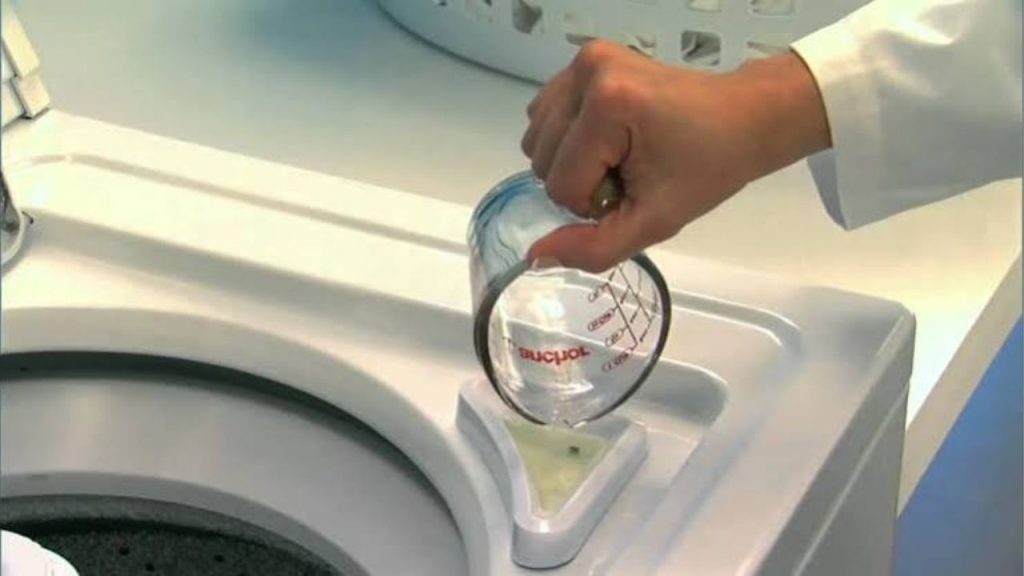
Use the amount recommended on the bleach bottle and your washer manual. For a standard top load washer, too much bleach can weaken fibers and leave residues. A common mistake is pouring bleach directly into clothes instead of diluting it in the bleach dispenser or water.
Step 3: Add Bleach to the Right Compartment
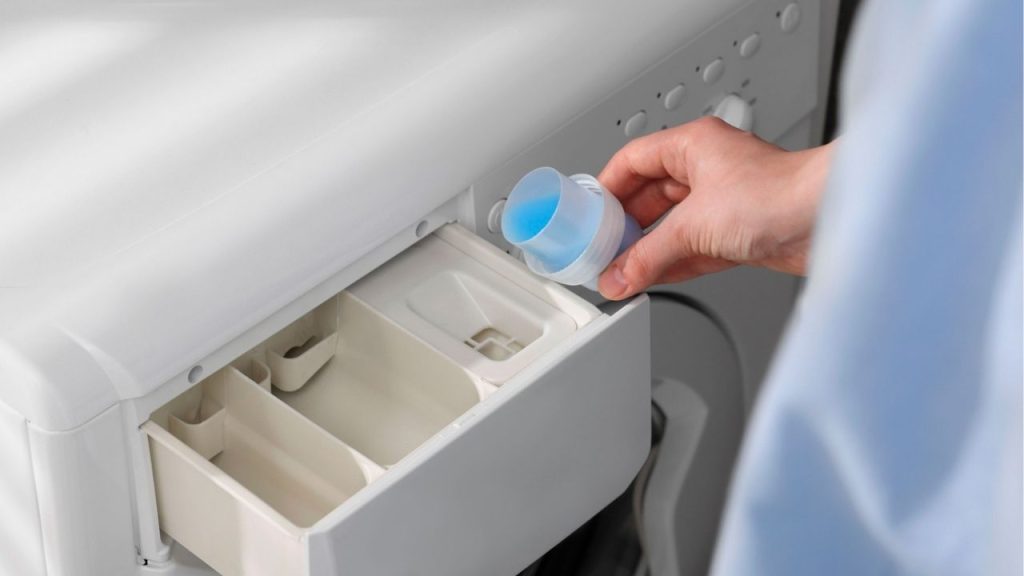
Most modern top load washers have a dedicated bleach dispenser. If yours does, pour the bleach into that compartment before starting the cycle. The machine releases it at the right time during the wash. If there is no dispenser, dilute bleach in water first and add it after the tub fills with water.
Step 4: Use the Proper Water Temperature
Warm or hot water usually improves bleach performance for whites and heavily soiled items. For colored clothes, follow the fabric care instructions and use only bleach that is safe for colors. Always avoid mixing bleach with hot water in a way that creates splashing or fumes.
Step 5: Run the Wash Cycle
Once the bleach is added properly, start the wash cycle as usual. For best results, do not overload the machine. Clothes need room to move so the bleach can circulate evenly and clean effectively.
Tips for the Best Results
Never Mix Bleach with Vinegar or Ammonia
This is very important. Mixing bleach with vinegar or ammonia can create dangerous fumes. Keep bleach separate from all other cleaning chemicals.
Pre-Treat Tough Stains
For stubborn stains, pre-treat the spot before washing. This can improve stain removal and reduce the need for extra bleach.
Clean Your Washer Regularly
Bleach can help sanitize a washing machine, but it should not be your only cleaning method. Run a periodic washer cleaning cycle according to the manufacturer’s instructions to remove buildup and odors.
Store Bleach Safely
Keep bleach in a cool, dry place away from sunlight and out of reach of children and pets. Old bleach loses strength over time, so always check the expiration date.
Final Thoughts on Using Bleach in a Top Load Washer
Learning how to use bleach in washing machine top load the right way helps you protect your clothes, improve cleaning performance, and keep your appliance fresh. Use the correct bleach type, follow dosage instructions, and add it through the proper dispenser or diluted water method. With these simple steps, you can get cleaner, brighter, and fresher laundry every time.