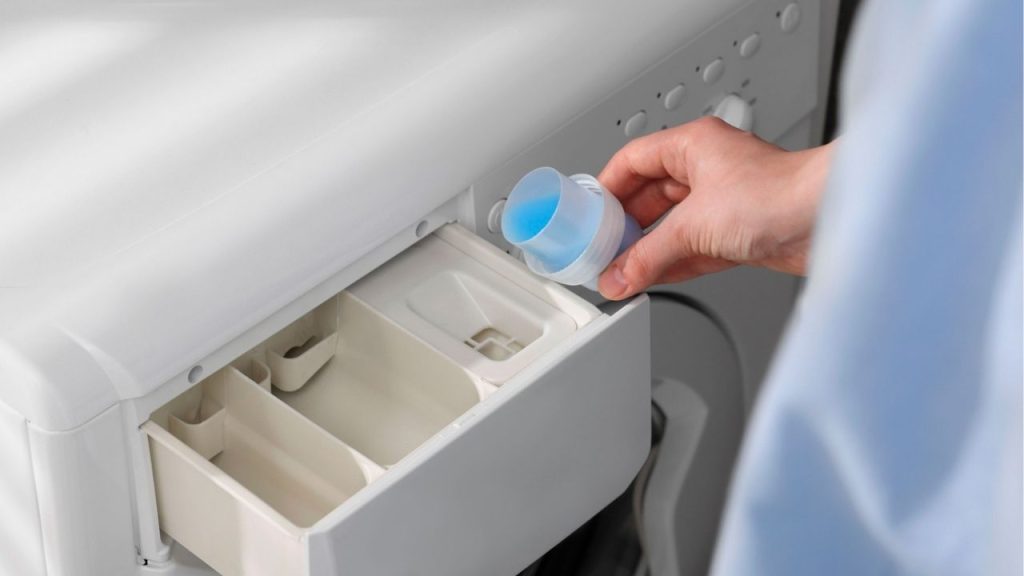

Have you ever loaded a full wash cycle only to find standing water left in the drum? If your washer is not draining properly, a faulty drain pump could be the cause. Learning how to test a washing machine drain pump can help you diagnose the problem quickly and decide whether you need a simple fix or a replacement. This step-by-step guide explains how to test a washing machine drain pump safely and accurately.
What a Washing Machine Drain Pump Does
The drain pump is responsible for pushing water out of the washer during the drain and spin cycles. If the pump is clogged, electrically damaged, or mechanically worn out, your washing machine may stop draining, make unusual noises, or fail to complete a cycle.
Common signs of a bad washing machine drain pump include:
- Water left in the tub after the cycle ends
- Loud humming, buzzing, or grinding noises
- Washer stopping mid-cycle
- Error codes related to drainage
- Slow or incomplete draining
Safety First Before You Begin
Before testing the pump, unplug the washing machine from the wall outlet. Turn off the water supply and place towels or a shallow pan nearby to catch any remaining water. If your model has a service panel, remove it to access the drain pump.
If you are unsure about any step, check your washer’s owner’s manual for model-specific instructions.
Step 1: Check for Visible Blockages
Start with the easiest inspection. Many drainage problems are caused by lint, coins, socks, or debris stuck in the pump filter or impeller.
Inspect the Pump Filter and Hose
Remove the drain hose and pump filter if your washer has one. Look for blockages and clean out any debris. Also check the hose for kinks, clogs, or damage.
Spin the Pump Impeller by Hand
Reach the pump impeller and try to turn it gently. It should move with some resistance but should not be jammed. If it does not rotate freely, the pump may be obstructed or damaged.
Step 2: Test the Drain Pump for Electrical Continuity
Use a multimeter to test the drain pump motor for continuity. This is one of the most reliable ways to test a washing machine drain pump.
How to Use a Multimeter
Set your multimeter to the ohms setting. Disconnect the pump’s wiring harness, then place the meter probes on the pump terminals.
A healthy pump usually shows a resistance reading within the range listed in your washer’s service manual. If the meter shows no reading or infinite resistance, the pump coil may be open and the pump likely needs replacement.
If the reading is near zero, the pump may be shorted.
Step 3: Check for Power at the Pump
If the pump has continuity, the next step is to see whether power is reaching it during the drain cycle.
Test Voltage During Drain Mode
Plug the washer back in carefully and set it to a drain or spin cycle. Use caution, since the appliance will be energized. With the multimeter set to AC volts, test the wiring connector going to the pump.
If the control board is sending voltage to the pump but it does not run, the pump is probably faulty. If there is no voltage, the problem may be in the wiring, lid switch, control board, or timer.
Step 4: Listen and Observe the Pump
A working drain pump usually makes a steady operational sound while moving water. If you hear a humming noise without drainage, the impeller may be stuck or the motor may be weak. Grinding noises often point to worn internal parts.
If the washer drains slowly but the pump is powered, the issue may be partial blockage rather than total pump failure.
When to Replace the Drain Pump
Replace the pump if:
- It has no continuity
- The impeller is broken or seized
- It receives power but does not run
- It leaks water
- It makes loud mechanical noises
For many homeowners, replacing a drain pump is more practical than repairing it.
Final Thoughts
Knowing how to test a washing machine drain pump can save time, money, and frustration. Start with blockages, then test continuity, check for voltage, and observe the pump during operation. With these steps, you can determine whether the issue is a clogged drain system, an electrical fault, or a failed pump that needs replacement.