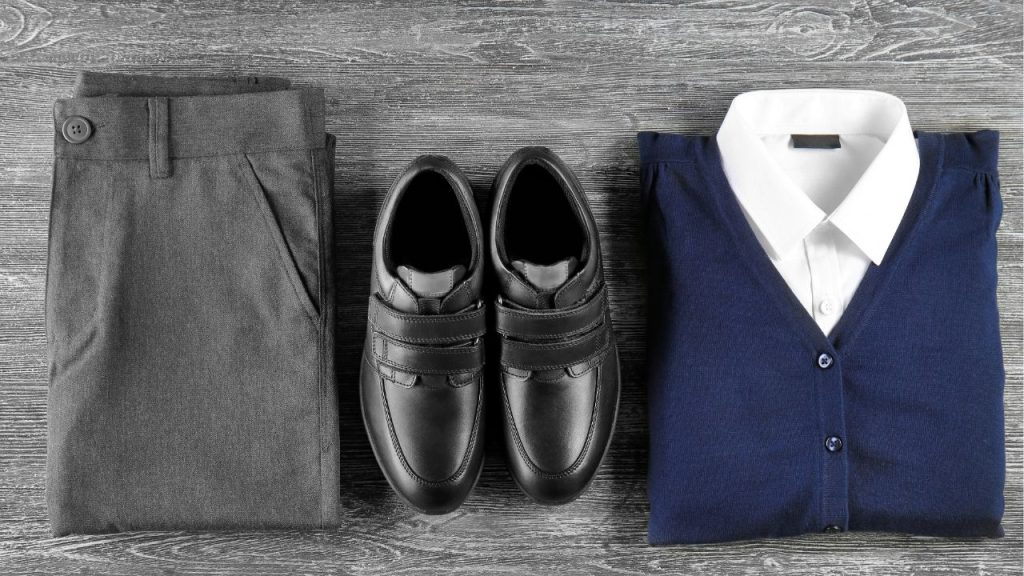
Have you ever wondered why some uniforms come out crisp, clean, and long-lasting while others fade, shrink, or lose shape after just a few washes? Knowing how to wash uniform in washing machine the right way can help you protect fabric quality, preserve colors, and extend the life of school, work, sports, or medical uniforms.
Why Proper Uniform Washing Matters
Uniforms are often worn frequently, which means they collect sweat, dirt, body oils, and stains faster than regular clothes. Because many uniforms are made from blended fabrics, polyester, cotton, or performance materials, using the wrong wash cycle or detergent can damage them. Learning how to wash uniform in washing machine safely helps prevent color bleeding, fabric wear, and shrinking.
Check the Care Label First
Before putting any uniform into the washer, read the care label. The label tells you whether the garment should be machine washed, washed in cold water, or kept away from bleach and high heat. This step is especially important for school uniforms, sports jerseys, medical scrubs, and work uniforms. If the label says dry clean only, do not machine wash it.
Pre-Treat Stains Before Washing
Uniforms often have visible stains from food, grass, ink, mud, or sweat. To get better results, pre-treat the stains before placing the uniform in the washing machine. Apply a small amount of liquid detergent or stain remover directly to the problem area and let it sit for 10 to 15 minutes. Avoid scrubbing too hard, especially on delicate fabrics.
Separate Uniforms by Color and Fabric
One of the safest ways to wash uniform in washing machine is to sort items by color. Wash whites separately from darks and bright colors to reduce the risk of bleeding. If your uniform has delicate parts, embroidery, patches, or reflective strips, consider washing it with similar fabrics to avoid snagging and wear.
Use the Right Detergent and Water Temperature
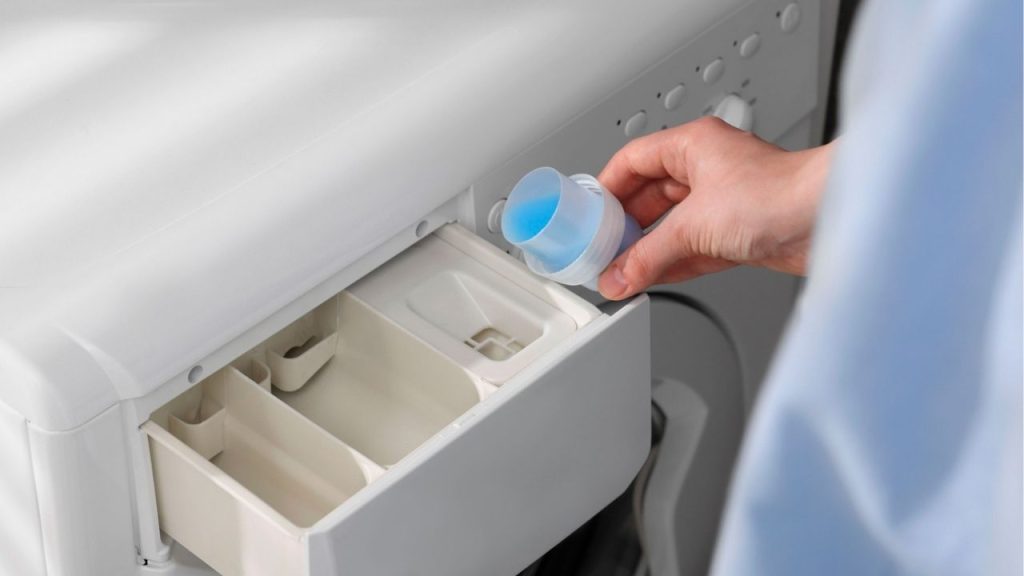
Choose a mild liquid detergent that works well in cold or warm water. For most uniforms, cold water is the safest option because it helps preserve color and reduce shrinking. Warm water can be used for heavily soiled work uniforms or sports uniforms if the care label allows it. Avoid using too much detergent, since excess soap can leave residue on fabric.
Select a Gentle Washing Machine Cycle
Use a gentle, delicate, or permanent press cycle for most uniforms. These settings reduce agitation and help protect stitching and fabric structure. If the uniform is heavily soiled, you may use a normal cycle only if the fabric is durable enough. Always avoid rough cycles for uniforms with logos, prints, or delicate trim.
Turn Uniforms Inside Out
Turning the uniform inside out before washing helps protect logos, printed names, embroidered details, and outer fabric from friction. This simple step is especially useful for athletic uniforms and school uniforms that are washed often.
Avoid Overloading the Washer
Do not pack too many uniforms into one load. Overloading limits water circulation and detergent distribution, which can leave dirt behind and cause extra wear. Wash enough items to allow them to move freely in the drum.
Dry Uniforms Carefully
After washing, check the care label again before drying. Air drying is the safest choice for most uniforms because it helps prevent shrinking and heat damage. If you use a dryer, choose a low heat setting. Remove the uniform while slightly damp to reduce wrinkles and keep the fabric in better shape.
Final Tips for Long-Lasting Uniforms
If you want the best results when learning how to wash uniform in washing machine, wash uniforms promptly after use, treat stains early, and avoid bleach unless the care label specifically allows it. Using the right cycle, detergent, and drying method will keep uniforms cleaner, brighter, and ready for daily wear.