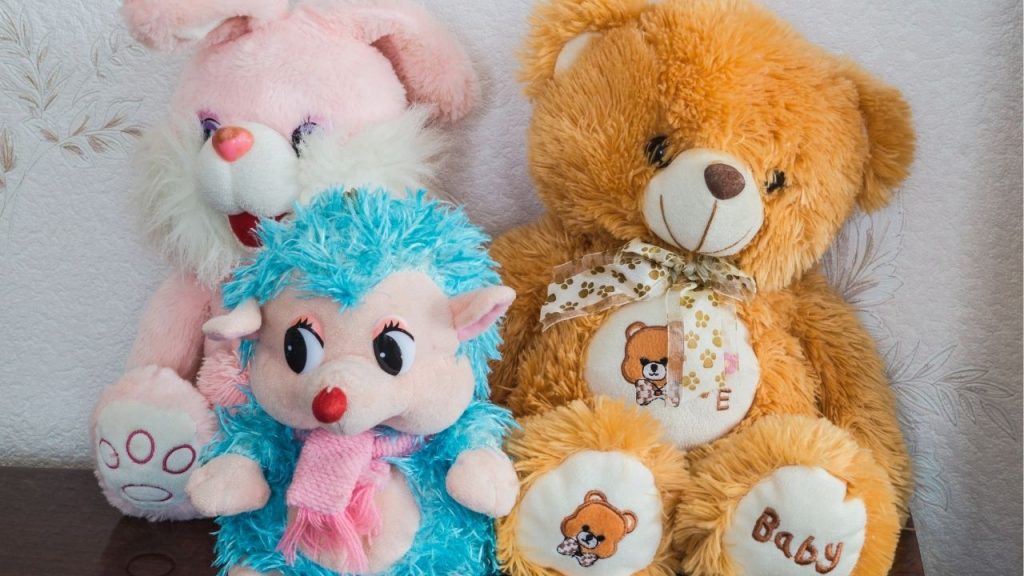
Did you know that many soft toys can be safely cleaned in a washing machine if you use the right settings and preparation? For parents, pet owners, and anyone who wants to keep plush toys fresh, learning how to wash soft toys in washing machine the safe way can save time while protecting favorite stuffed animals from damage.
Why It Matters to Wash Soft Toys Properly
Soft toys collect dust, germs, pet dander, and spills over time. Regular cleaning helps keep them looking fresh and can reduce allergens in the home. But washing plush toys the wrong way can cause stuffing to clump, fabric to fray, or small parts to come loose. That is why using the correct method matters.
Check the Care Label First
Before putting any plush toy in the washer, always check the care label. Some toys are machine washable, while others are labeled for surface cleaning only. If the toy has glued-on eyes, delicate trim, music boxes, batteries, or electronic parts, do not machine wash it. Those toys need spot cleaning instead.
How to Wash Soft Toys in Washing Machine Safely
The safest way to wash stuffed animals is to use a gentle cycle with cold water and mild detergent. This helps protect the fabric, stuffing, and stitching. If the toy is especially delicate, place it in a mesh laundry bag or a pillowcase tied shut. This adds extra protection during the wash cycle.
Step 1: Prepare the Toy
Remove any clothing, accessories, or loose items from the plush toy. Brush off dirt, crumbs, or pet hair before washing. If there are stains, pretreat them with a small amount of mild detergent or a gentle stain remover.
Step 2: Use the Right Washer Settings
Choose a delicate or gentle cycle on your washing machine. Use cold water to prevent shrinking and fading. Avoid heavy spin cycles because they can stress seams and distort the shape of the toy.
Step 3: Choose a Mild Detergent
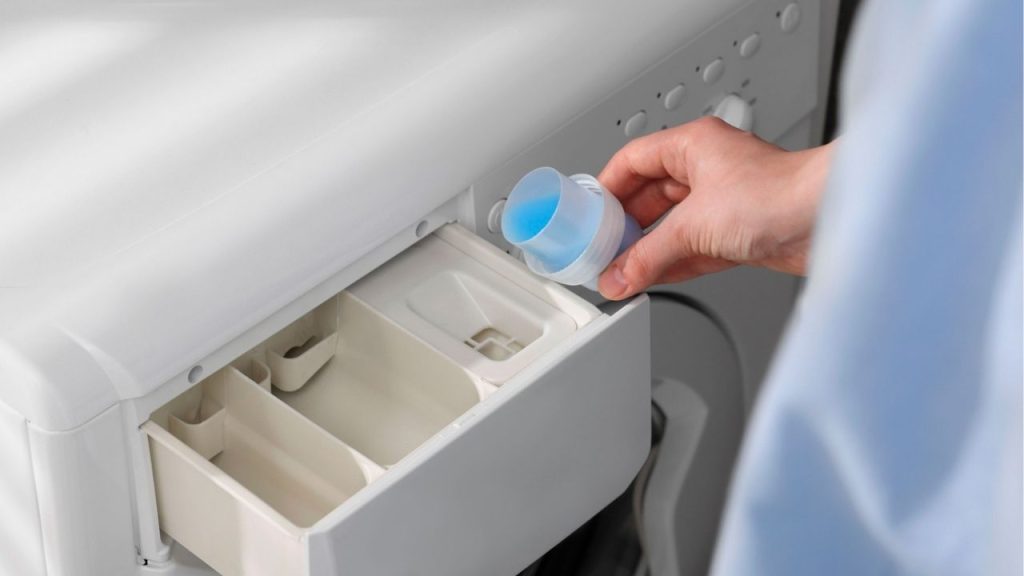
Use a small amount of liquid detergent that is safe for delicates. Too much soap can be difficult to rinse out of stuffed animals and may leave a residue inside the fibers. Skip bleach and harsh cleaners, since they can damage soft fabrics.
Step 4: Dry the Toy Properly
After washing, reshape the toy while it is still damp. The best drying method is air drying in a well-ventilated area. You can also use a dryer on a no-heat or low-heat setting if the care label allows it. Add a clean towel to help absorb moisture and speed up drying. Make sure the toy is fully dry before giving it back to a child or pet, since damp stuffing can grow mold.
Extra Tips for Better Results
Wash soft toys with similar colors to avoid dye transfer. If the toy is very old or fragile, hand washing may be a better choice. For large plush toys, check that your washing machine drum has enough space so the toy can move freely without being stuffed in too tightly.
When Not to Use the Washing Machine
Some soft toys should never go in the washer. Avoid machine washing toys with electronic features, delicate beadwork, vintage materials, or visible damage like torn seams. If the toy is sentimental or expensive, hand cleaning may be the safer option.
Final Thoughts
Knowing how to wash soft toys in washing machine the right way helps keep plush favorites clean, soft, and safe. With the right care label check, gentle cycle, mild detergent, and proper drying, you can freshen stuffed animals without ruining them.