
Have you ever wondered whether your quilt can safely go in the washing machine without getting damaged or losing its softness? The good news is that most quilts can be machine washed if you follow the right steps. Knowing how to wash quilt in washing machine the correct way helps remove dirt, sweat, dust mites, and odors while protecting the fabric, batting, and stitching.
Check the Quilt Care Label First
Before you begin, always read the care label. This is the most important step when learning how to wash quilt in washing machine. Some quilts are machine washable, while others may require dry cleaning or hand washing. If the label says machine wash, look for any special instructions about water temperature, detergent, or drying.
If your quilt is vintage, handmade, silk, wool, or heavily embellished, be extra cautious. These materials may need special care to avoid shrinking, fading, or seam damage.
Prep the Quilt Before Washing
Inspect for Damage
Check the quilt for loose threads, open seams, or weak spots. Washing can make small problems worse, so repair any damage first if possible.
Remove Dust and Debris
Shake the quilt outside or use a lint roller to remove dust, pet hair, and loose dirt. This helps the washing machine clean more effectively.
Treat Stains Before Washing
If you notice stains, pretreat them with a gentle stain remover or a small amount of liquid detergent. Dab the stain softly and avoid rubbing too hard, which can spread it or damage the fibers.
Choose the Right Washing Machine Settings
When figuring out how to wash quilt in washing machine, the settings matter just as much as the detergent.
Use a Large Capacity Washer
A full-size or large capacity washing machine is best. Quilts need room to move freely so they can get clean without being compressed too tightly.
Select a Gentle or Delicate Cycle
Use a gentle or delicate cycle to reduce agitation. This protects the stitching and keeps the filling from shifting inside the quilt.
Wash in Cold or Warm Water
Cold water is usually the safest choice for most quilts because it helps prevent shrinking and color bleeding. Warm water may be acceptable if the care label allows it and the quilt is not delicate.
Pick the Right Detergent
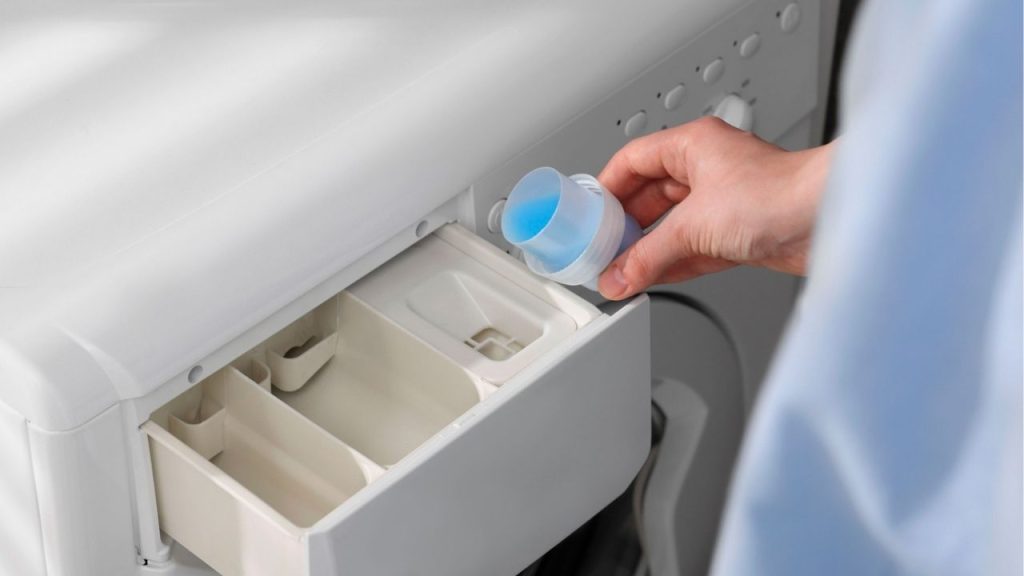
Use a mild, liquid detergent that is free of harsh chemicals, bleach, and fabric softener. Too much detergent can leave residue in the quilt, so use only a small amount. If your quilt is especially delicate, choose a detergent made for gentle fabrics.
Wash the Quilt Properly
Place the quilt loosely in the washer so it can move around. Do not stuff it in tightly. If your washer has a top agitator, be careful because it can twist or stress the quilt. In that case, a front-load washer is usually better.
Run the selected cycle and let the machine complete the full wash. If the quilt is especially thick or large, you may want to run an extra rinse cycle to remove all detergent residue.
Dry the Quilt Safely
Air Dry When Possible
The safest way to dry a quilt is to air dry it flat or over a drying rack. This helps maintain its shape and prevents heat damage.
Use Low Heat If Machine Drying
If you need to use a dryer, choose low heat or no-heat air fluff. High heat can shrink fabric, damage batting, or weaken stitching. Add a couple of clean tennis balls or dryer balls if the care label allows it to help fluff the quilt as it dries.
Make sure the quilt is completely dry before storing or using it again. Any trapped moisture can lead to mildew or a musty smell.
Final Tips for Long-Lasting Results
For the best results, wash quilts only when needed instead of too often. Regular spot cleaning can help extend the time between full washes. Always follow the care instructions, use gentle products, and choose the right cycle.
If you want to know how to wash quilt in washing machine without ruining it, the key is simple: check the label, use a gentle cycle, choose mild detergent, and dry carefully. With the right approach, your quilt can stay clean, fresh, and cozy for years.