Have you ever wondered why a microfiber cloth that works so well on counters, glass, and screens can stop performing after just a few washes? The answer often comes down to how it was cleaned. Knowing how to wash microfiber cloth in washing machine the right way can help you preserve its softness, absorbency, and dust-trapping power for much longer.
Why Microfiber Needs Special Care
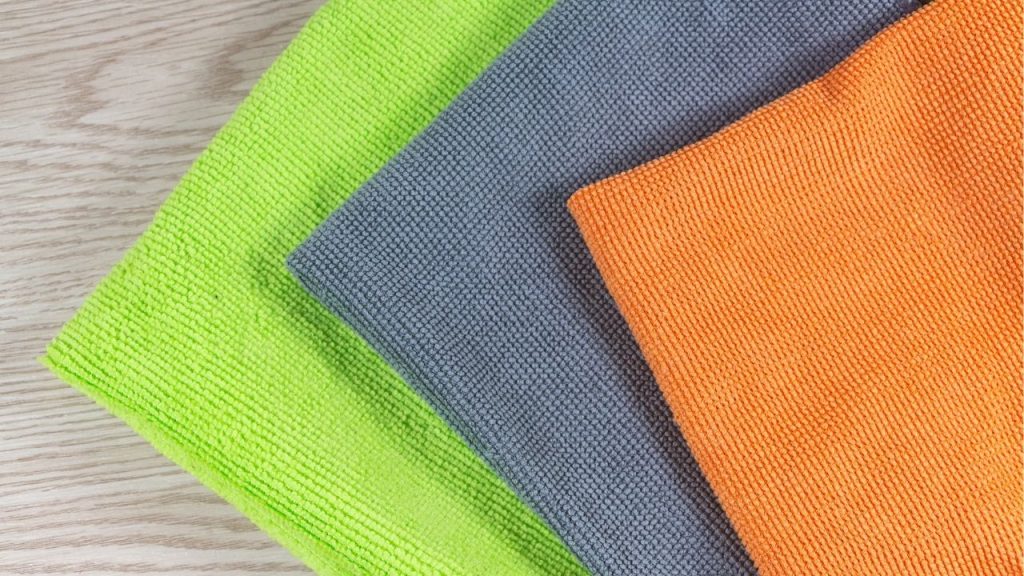
Microfiber cloths are made with ultra-fine synthetic fibers designed to grab dirt, oil, and debris. But those same fibers can get clogged or damaged if you use the wrong laundry settings, harsh chemicals, or fabric softener. If you want your cloths to keep working like new, it is important to wash microfiber cloths separately and use gentle cleaning methods.
Can You Wash Microfiber Cloth in Washing Machine?
Yes, you can wash microfiber cloth in washing machine safely as long as you follow a few simple rules. The biggest mistakes people make are using hot water, fabric softener, bleach, or high heat in the dryer. These can reduce the cloth’s ability to clean effectively. The safe way to wash microfiber cloth in washing machine is to use cool or warm water, a mild liquid detergent, and a gentle cycle.
How to Wash Microfiber Cloth in Washing Machine the Safe Way
Step 1: Shake Out Dirt and Debris
Before placing the cloth in the washer, shake it outdoors or over a trash bin to remove loose dust, crumbs, hair, and grit. This prevents debris from spreading to other laundry items.
Step 2: Wash Microfiber Separately
Always wash microfiber cloths on their own or with other lint-free synthetic items. Avoid mixing them with cotton towels, bath towels, or fleece, since these fabrics shed lint that can stick to microfiber fibers.
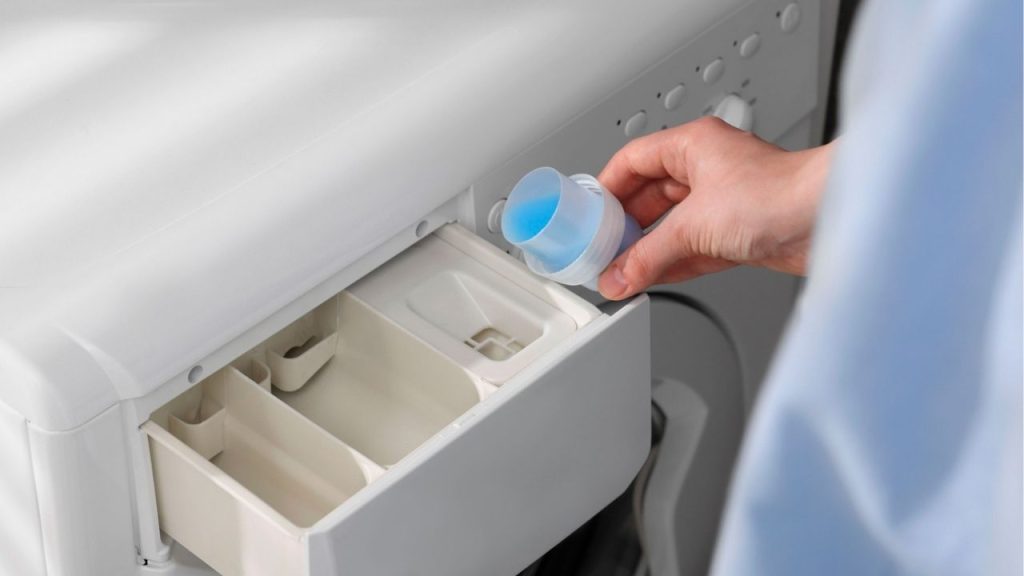
Step 3: Use a Gentle Detergent
Choose a small amount of liquid laundry detergent. Avoid powder detergents if possible, since they may not rinse out as easily. Do not use fabric softener or dryer sheets because they coat the fibers and reduce absorbency.
Step 4: Select Cool or Warm Water
The best water temperature for microfiber cloths is cool or warm water. Hot water can weaken synthetic fibers over time and may cause the cloth to lose its cleaning power.
Step 5: Choose a Gentle Cycle
Use a gentle or delicate cycle to protect the fibers from excessive agitation. If your washing machine has a rinse-only option, adding an extra rinse can help remove detergent residue.
How to Dry Microfiber Cloths Properly
Air Dry When Possible
Air drying is the safest option. Hang microfiber cloths on a clean drying rack or clothesline and let them dry completely before storing.
Use Low Heat If You Need the Dryer
If you prefer machine drying, use low heat or no heat. High dryer temperatures can melt or damage microfiber fibers. Never use dryer sheets.
Common Mistakes to Avoid
To keep microfiber cloths effective, avoid these common laundry errors:
- Using bleach
- Adding fabric softener
- Washing with lint-producing fabrics
- Using too much detergent
- Drying on high heat
- Ironing microfiber cloths
How Often Should You Wash Microfiber Cloths?
Wash microfiber cloths after each use if they have been used for cleaning greasy surfaces, bathrooms, or heavily soiled areas. For light dusting or glass cleaning, you may be able to reuse them a few times before washing, as long as they are still clean and odor-free.
Final Tips for Longer-Lasting Microfiber
If you want your microfiber cloths to last, treat them like performance cleaning tools, not regular rags. The best way to wash microfiber cloth in washing machine is simple: separate them, use mild detergent, choose a gentle cycle, and dry them with low or no heat. Follow these steps and your microfiber cloths will stay soft, absorbent, and ready for daily cleaning tasks.