
Have you ever wondered why a comforter can come out of the wash clumpy, damaged, or still not truly clean? Knowing how to wash a comforter in a washing machine the right way can help you protect the fabric, preserve the filling, and keep your bedding fresh for longer.
Can You Wash a Comforter in a Washing Machine?
Yes, most comforters can be machine washed, but the key is checking the care label first. Some down comforters, down alternative comforters, cotton comforters, and microfiber comforters are machine washable, while others may need dry cleaning or special handling. Before washing, make sure your washing machine is large enough for the comforter to move freely. A cramped drum can cause poor cleaning and uneven rinsing.
How to Wash a Comforter in a Washing Machine Safely
1. Check the care label
Always start by reading the manufacturer’s instructions. The care tag will tell you whether the comforter is machine washable, what water temperature to use, and whether bleach or fabric softener should be avoided.
2. Inspect for damage
Look for loose seams, tears, or stuffing that is coming out. Washing a damaged comforter can make the problem worse. If needed, repair small rips before placing it in the washer.
3. Use a large capacity washer
A front load washer or large capacity top load washer works best. Comforters need room to tumble and rinse properly. If your comforter is too big for a standard machine, use a laundromat oversized washer.
4. Choose the right detergent
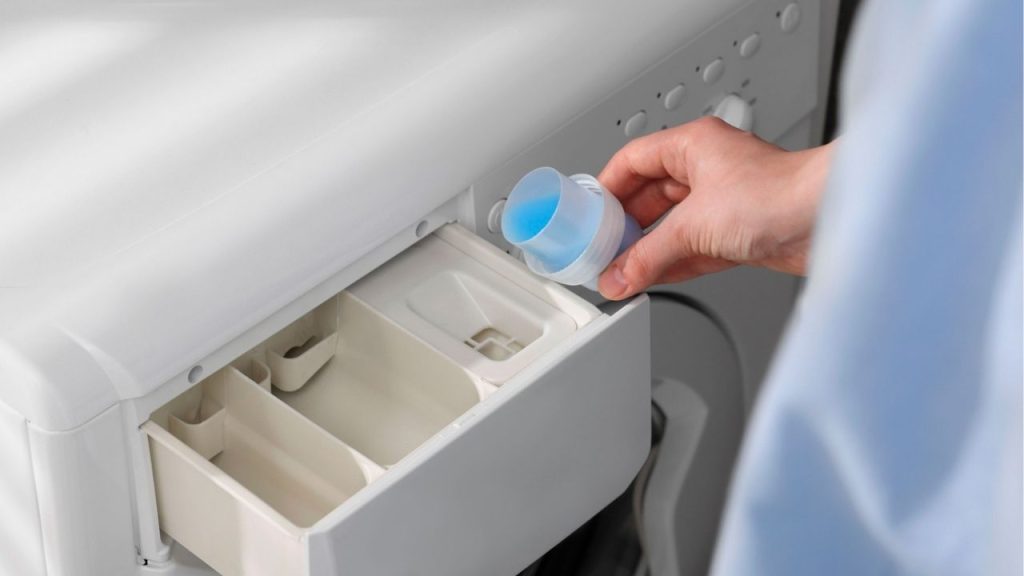
Use a mild liquid detergent and only a small amount. Too much detergent can leave residue inside the filling and make the comforter feel stiff. Avoid powder detergent if your machine has trouble dissolving it fully.
5. Select a gentle cycle
The best cycle for washing a comforter is usually the delicate cycle or gentle cycle. Use cold or warm water unless the care label says otherwise. Hot water can damage some fabrics and cause shrinkage.
6. Rinse twice if needed
Comforters can hold onto detergent, so an extra rinse cycle may help remove buildup. This is especially useful for thick quilts, down comforters, and bulky bedding.
How to Dry a Comforter After Washing
1. Dry on low heat
Dry the comforter on low heat in a large dryer. High heat can damage synthetic fillings and shrink natural fabrics. Make sure the comforter dries completely, since trapped moisture can lead to mildew.
2. Add dryer balls
Use wool dryer balls or clean tennis balls to help break up clumps and restore loft. This is especially helpful for down comforters and polyester-filled bedding.
3. Pause and fluff
Every 30 to 40 minutes, stop the dryer and fluff the comforter by hand. This helps it dry evenly and prevents filling from bunching up in one area.
Common Mistakes to Avoid
Do not overload the washer with other laundry. Avoid using too much detergent, fabric softener, or bleach unless the label specifically allows it. Never store a comforter while it is damp, and do not force a comforter into a machine that is too small.
How Often Should You Wash a Comforter?
Most comforters only need washing every 2 to 6 months, depending on use. If you use a duvet cover, you can wash the comforter less often and clean the cover more frequently. Spot clean stains in between full washes to keep the bedding fresh.
Final Tips for Safe Comforter Washing
If you are still unsure how to wash a comforter in a washing machine, start by checking the tag, using a gentle cycle, and choosing a large capacity washer. With the right method, you can clean bulky bedding safely at home and keep your comforter soft, fluffy, and comfortable for years.