Did you know a whole house fan can cool your home by pulling in fresh outdoor air and pushing hot indoor air out through the attic? If you are wondering how to use whole house fan in summer, the good news is that it is one of the simplest and most affordable ways to improve comfort when the outside air is cooler than the air inside your home.
What Is a Whole House Fan?
A whole house fan is a large ventilation system installed in the ceiling, usually between the living space and the attic. When turned on, it draws cooler air through open windows and exhausts warm air through the attic vents. This helps lower indoor temperatures quickly, especially in the evening, early morning, and overnight.
Unlike air conditioning, a whole house fan does not cool air directly. Instead, it uses outdoor air circulation to flush heat out of your home. That makes it a smart option for homeowners who want better airflow and lower energy use during summer.
How to Use Whole House Fan in Summer
Open Windows Before Turning It On
To get the best results, open several windows in your home before switching on the fan. This gives the system a clear path to pull fresh air inside and move hot air out. For best airflow, open windows on opposite sides of the house to create cross ventilation.
Run It During Cooler Hours
The best time to use a whole house fan in summer is when the outdoor temperature is lower than the indoor temperature. This is usually in the early morning, late evening, or overnight. Running it during hot midday hours is less effective because it may pull warm air into the home.
Turn It Off When Outdoor Air Gets Warm
If the outside temperature rises above the temperature inside your house, turn off the fan and close the windows. This helps keep hot air from coming back in. Many homeowners use the fan to cool the house down at night, then close everything in the morning to trap the cooler air inside.
Use It With Ceiling Fans
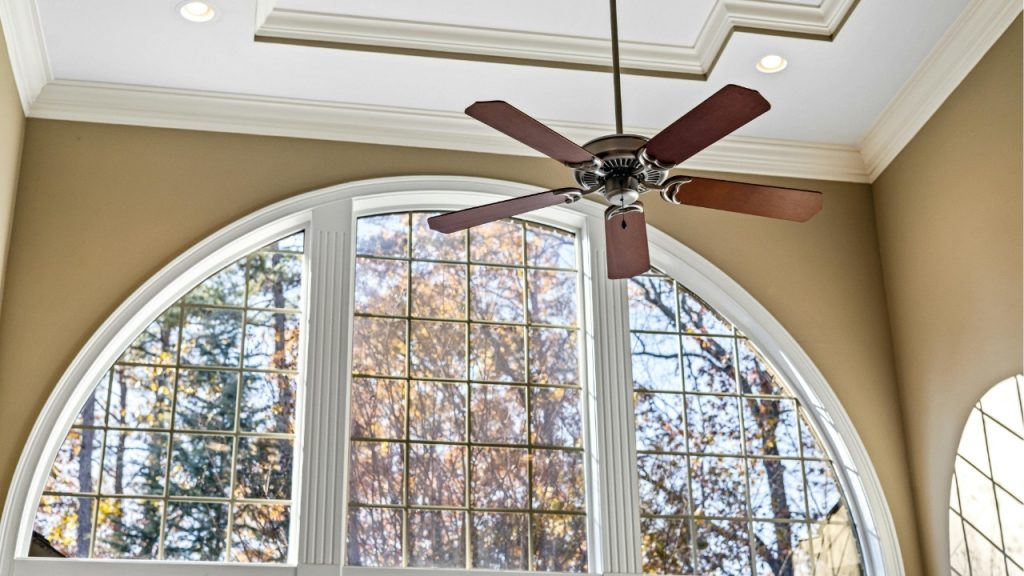
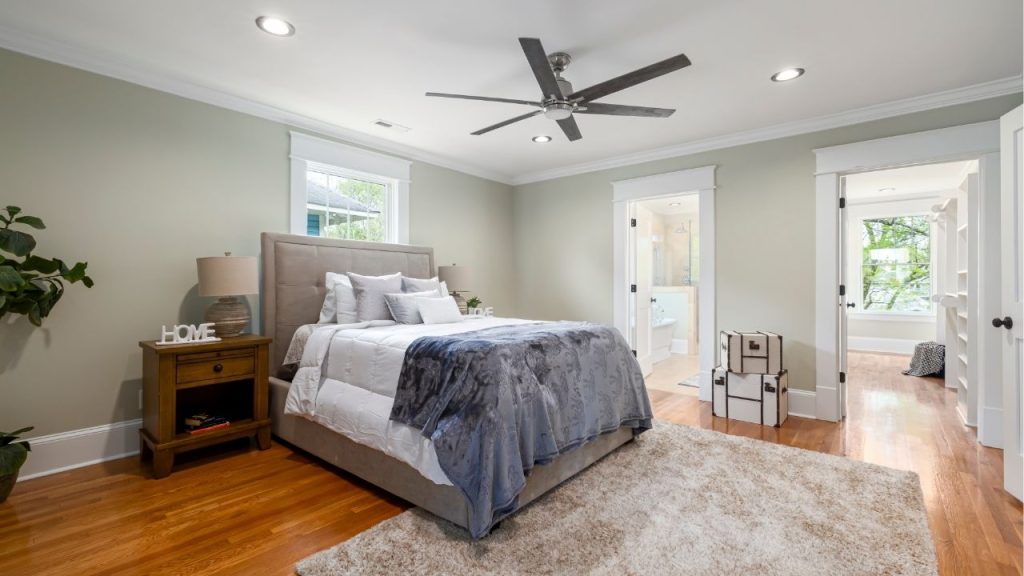
For added comfort, use ceiling fans along with your whole house fan. Ceiling fans do not lower the temperature, but they help you feel cooler by moving air around the room. This can make your home feel more comfortable without relying as much on AC.
Tips for Safe and Efficient Use
Make Sure the Attic Is Well Ventilated
A whole house fan works best when the attic has proper venting. The fan needs a clear way to exhaust hot air outside. If attic ventilation is poor, performance can suffer and heat may build up.
Keep Doors Open Inside the House
Open interior doors so air can move freely from room to room. This helps the fan circulate fresh air through the entire house instead of only certain areas.
Maintain the Fan Regularly
Check the fan, belts, louvers, and vents if your system has them. Clean dust buildup and listen for unusual noises. Regular maintenance helps the fan run more efficiently and last longer.
Benefits of Using a Whole House Fan in Summer
A whole house fan can cool your home faster than many people expect. It may help reduce reliance on air conditioning, lower electric bills, and improve indoor air quality by replacing stale air with fresh outdoor air. It is also a great option for homeowners who want a more natural cooling method during mild summer nights.
Final Thoughts
Learning how to use whole house fan in summer is easy once you understand the basics. Open your windows, run the fan when outdoor air is cooler, and close everything up when temperatures rise. With the right timing and proper home ventilation, a whole house fan can be a practical and energy-efficient way to stay comfortable all summer long.