Ever wondered why some cleanup jobs feel impossible with a regular vacuum? A wet and dry vacuum cleaner can handle spilled water, sawdust, pet messes, and everyday debris in one powerful machine. If you are searching for how to use wet and dry vacuum cleaner effectively, the key is knowing the right setup, attachments, and cleaning method for each surface. With the right technique, you can get faster results, protect the motor, and make cleanup much easier.
What Is a Wet and Dry Vacuum Cleaner?
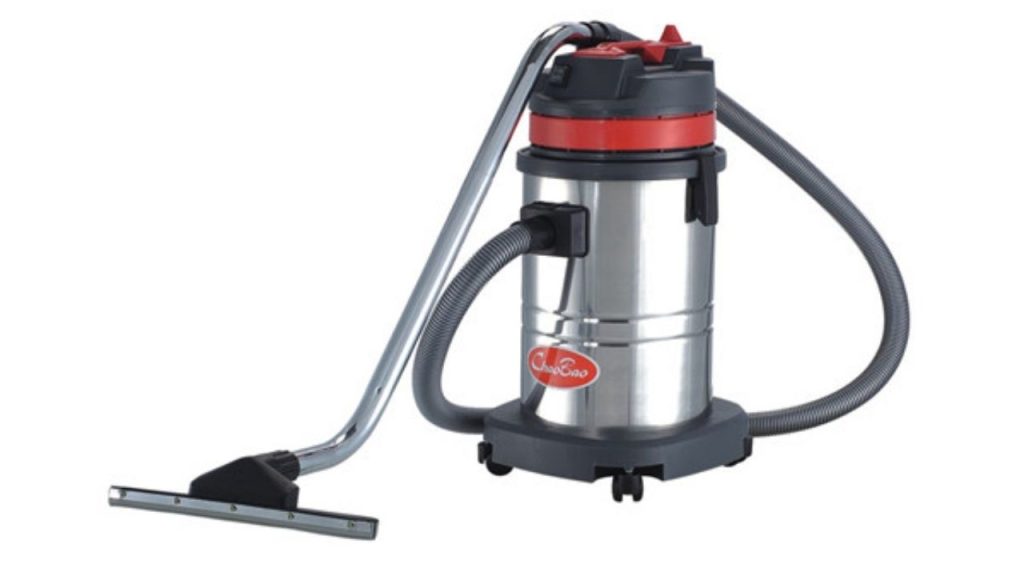
A wet and dry vacuum cleaner is a versatile cleaning appliance designed to pick up both liquid spills and dry debris. Unlike standard vacuums, it can tackle water, mud, dust, crumbs, wood chips, and more. This makes it ideal for garages, workshops, basements, cars, and homes with frequent messes.
How to Use Wet and Dry Vacuum Cleaner the Right Way
1. Check the vacuum before starting
Before using the machine, inspect the tank, hose, filters, and power cord. Make sure the vacuum is set for the type of cleaning you need. Some models require removing or changing the filter for wet pickup, while others use a special foam filter.
2. Choose the correct mode
If you are cleaning dry messes, install the proper filter and secure the dust bag if your model uses one. For wet pickup, remove paper filters if instructed by the manufacturer and switch to wet mode. Following this step is essential when learning how to use wet and dry vacuum cleaner safely and efficiently.
3. Select the right attachment
Use a floor nozzle for large surfaces, a crevice tool for tight corners, and a brush attachment for upholstery or delicate areas. For liquid spills, a squeegee attachment can help remove water faster from hard floors.
4. Vacuum dry debris first when needed
If the area contains both solid dirt and liquid, pick up the dry debris first. This prevents clogs and makes wet cleanup more effective. This simple habit improves suction and helps the vacuum work better overall.
5. Move slowly over the surface
Let the vacuum do the work. Slow, steady passes allow the machine to collect more dirt and liquid in fewer strokes. Rushing can leave residue behind or reduce pickup efficiency.
Tips for the Best Results
Empty the tank before it gets too full
A full tank can reduce suction and make the vacuum harder to handle. Check the fill level often, especially during wet cleanup.
Clean or replace filters regularly
Dirty filters can weaken performance and strain the motor. Rinse washable filters after wet use and let them dry completely before reinstalling them.
Use the vacuum only for approved materials
Avoid vacuuming sharp objects, hot ash, flammable liquids, or hazardous chemicals unless your model is specifically designed for them. Always read the user manual first.
Dry the tank after wet use
After vacuuming liquids, empty the tank and wipe it dry. This helps prevent odors, mold, and rust.
Store accessories properly
Keep hoses, nozzles, and filters in a clean, dry place so they are ready for the next job. Proper storage also extends the life of your appliance.
Common Mistakes to Avoid
Do not use the wrong filter setting for wet pickup. Do not overfill the tank. Do not use the vacuum on large puddles if your model has a small capacity. Avoid ignoring the manufacturer’s instructions, since that can damage the motor or reduce suction power.
Conclusion
Knowing how to use wet and dry vacuum cleaner the right way helps you clean more efficiently and keep the machine in top condition. By choosing the correct mode, using the right attachment, and following basic maintenance steps, you can handle everything from dust and crumbs to spills and muddy messes with confidence.