Did you know that a clogged AC drain pan can lead to water damage, mold growth, and costly HVAC repairs? If you are searching for how to use air conditioner pan tablets, you are likely trying to prevent those problems before they start. These tablets are a simple maintenance product designed to help keep your air conditioner drain pan clean, reduce odor, and limit algae buildup in the condensate system. When used correctly, they can support better system performance and help you avoid annoying drainage issues.
What Are Air Conditioner Pan Tablets?
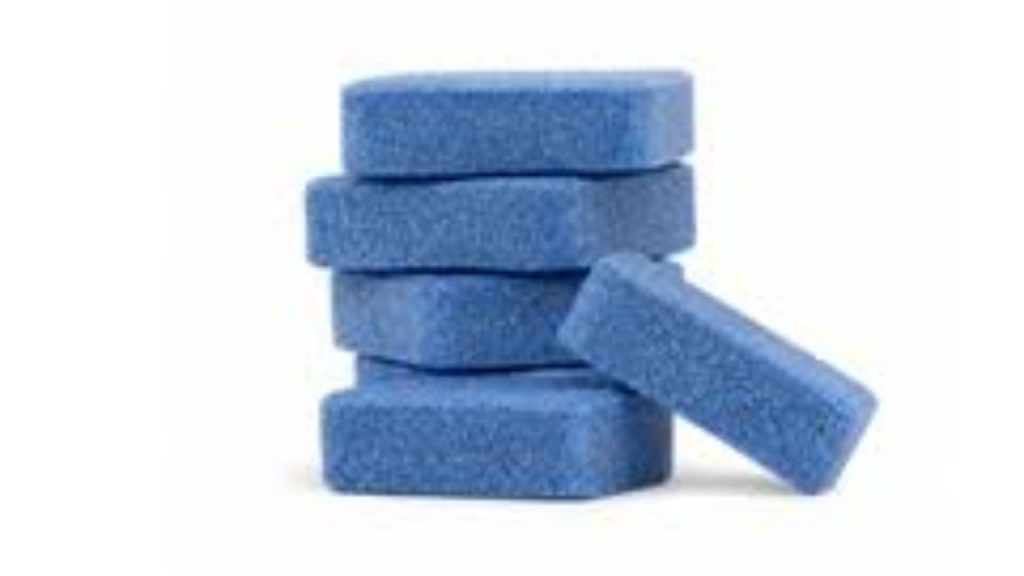
Air conditioner pan tablets are cleaning and maintenance tablets made to dissolve slowly in the condensate drain pan of your HVAC system. As your AC runs, moisture collects in the pan and drains away. Over time, that standing water can create a perfect environment for slime, algae, mold, and bacteria. Pan tablets help break down buildup and keep the drain line flowing more smoothly.
These products are commonly used in central air conditioning systems, but they may also be helpful in other HVAC units that have a condensate pan.
How to Use Air Conditioner Pan Tablets Properly
Turn Off the AC System
Before placing any tablet in the drain pan, turn off your air conditioner at the thermostat and, if possible, at the breaker. This helps prevent accidents and gives you safe access to the unit.
Locate the Drain Pan
Find the condensate drain pan, which is usually located beneath the indoor evaporator coil. In many systems, the pan is accessible through the air handler or furnace cabinet. If you cannot locate it easily, check your owner’s manual or contact an HVAC technician.
Check the Pan for Standing Water
Inspect the pan before adding the tablet. If there is excessive water, a clog may already be present. Pan tablets are best used for prevention, not as a fix for severe drainage problems.
Place the Tablet in the Pan
Drop one tablet into the drain pan following the product instructions on the package. Some tablets are designed to dissolve over a set period, so do not use more than recommended. Using too many tablets will not improve results and may create residue.
Restart the System
After placing the tablet, turn the AC back on. The tablet will begin dissolving slowly as condensate collects in the pan. From there, it works continuously to help reduce organic buildup.
How Often Should You Use Pan Tablets?
For most homes, air conditioner pan tablets are used every one to three months during cooling season. The exact timing depends on your climate, how often you run your AC, and the type of tablet you buy. In humid areas, more frequent use may be helpful because moisture buildup happens faster.
Always follow the label directions, since some brands are formulated for monthly use while others last longer.
Benefits of Using Air Conditioner Drain Pan Tablets
Helps Prevent Clogs
One of the biggest benefits of using AC pan tablets is reducing algae and slime buildup in the drain line. This can help the water flow out properly.
Reduces Musty Odors
Standing water in the drain pan can create unpleasant smells. Tablets help keep the pan cleaner and reduce odor-causing growth.
Supports HVAC Maintenance
Using pan tablets is a simple part of routine HVAC maintenance. They can help extend the life of your drainage system and lower the chance of emergency service calls.
Important Safety and Usage Tips
Do not confuse pan tablets with drain line cleaners unless the label specifically says they are safe for that use. Also, avoid using them if your system already has a blocked drain line, overflowing pan, or visible water leaks. In those cases, the issue may require professional repair.
If you have pets or children, store the tablets in a dry place out of reach. Always read the manufacturer’s instructions before use.
Final Thoughts
Knowing how to use air conditioner pan tablets can help you maintain a cleaner HVAC system and prevent common drainage problems. With proper placement, regular use, and routine inspection, these tablets can be an easy and affordable part of your home cooling maintenance plan. If your AC pan is already overflowing or your drain line is clogged, contact an HVAC professional for a closer look.