Have you ever wondered why your air conditioner is not cooling as well as it should, even though it is running constantly? Learning how to use air conditioner gauges can help you diagnose common AC problems, check refrigerant pressure, and avoid costly repair mistakes. For homeowners and beginners, understanding AC gauge readings is a valuable skill that can improve system performance and help you know when to call a professional.
What Are Air Conditioner Gauges?
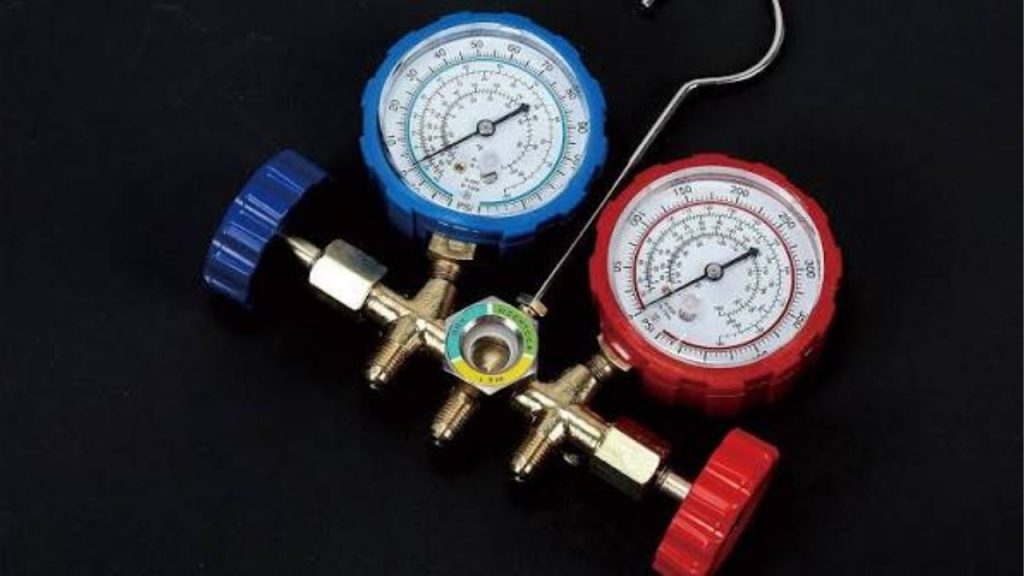
Air conditioner gauges are tools used to measure the pressure inside an HVAC system. They are commonly part of a manifold gauge set and help you inspect the low side and high side of the air conditioning unit. These readings can tell you whether the refrigerant charge is too low, too high, or possibly affected by another issue.
If you are learning how to use air conditioner gauges, the first thing to know is that they are not just for adding refrigerant. They are used to evaluate how the system is operating and to support accurate troubleshooting.
Understanding the Main Parts of AC Gauges
Low-Pressure Gauge
The low-pressure gauge, often called the blue gauge, measures the suction side of the system. This side helps show how the evaporator is performing.
High-Pressure Gauge
The high-pressure gauge, usually red, measures the discharge side. This side reflects how the condenser is handling heat removal.
Hoses and Connections
Most gauge sets include three hoses. The blue hose connects to the low side service port, the red hose connects to the high side, and the yellow hose is often used for vacuuming or refrigerant charging.
How to Use Air Conditioner Gauges Step by Step
1. Turn Off the System Before Connecting
Before attaching the gauges, make sure the AC unit is turned off. This helps prevent injury and protects the equipment. Locate the service ports on the outdoor condenser unit.
2. Connect the Gauges Properly
Attach the blue hose to the low-side service port and the red hose to the high-side service port. Make sure the connections are secure. Improper attachment can lead to inaccurate readings or refrigerant leakage.
3. Start the Air Conditioner
Once connected, turn the system on and let it run for several minutes. This allows the pressure readings to stabilize. Keep the thermostat set to cooling mode so the unit operates normally.
4. Read the Pressure Levels
Check both gauges and compare the readings to the expected range for the refrigerant type in your system, such as R-410A or R-22. Normal pressure varies depending on outdoor temperature, indoor airflow, and system load.
5. Interpret the Results
Low suction pressure may suggest low refrigerant, restricted airflow, or a dirty evaporator coil. High discharge pressure can point to dirty condenser coils, overcharging, or poor ventilation around the outdoor unit. If both pressures seem unusual, a deeper HVAC inspection may be needed.
Common Beginner Mistakes
Mixing Up the Ports
One of the most common mistakes when learning how to use air conditioner gauges is connecting the hoses to the wrong ports. Always double-check the blue low-side and red high-side connections.
Ignoring Temperature Conditions
Pressure readings are not meaningful without considering outdoor temperature and humidity. A system may appear off at one temperature but be normal at another.
Overcharging the System
Do not add refrigerant based only on pressure readings. Too much refrigerant can damage the compressor and reduce efficiency.
Safety Tips for Using AC Gauges
Always wear gloves and safety glasses when working with HVAC equipment. Refrigerant can cause frostbite or injury if handled incorrectly. If your system uses an older refrigerant or you are unsure about the readings, it is best to contact a licensed HVAC technician.
Final Thoughts
Knowing how to use air conditioner gauges gives beginners a practical way to understand AC performance and spot potential problems early. With the right setup, careful reading, and attention to safety, you can use AC gauges to make smarter decisions about maintenance and repairs. If the numbers look unusual or you are not confident in the diagnosis, a professional HVAC service is the safest next step.