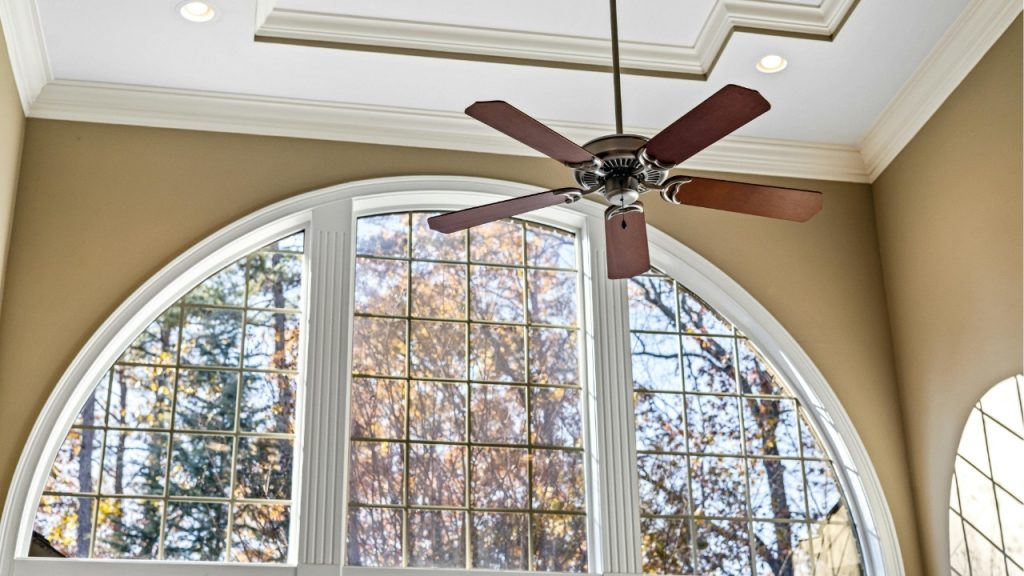

Did you know a whole house fan can cool your home quickly while using far less energy than central air conditioning? If you are wondering how to use a whole house fan the right way, this guide will walk you through the basics, best practices, and key safety tips so you can get the most comfort and efficiency from your system.
What Is a Whole House Fan?
A whole house fan is a powerful ventilation system installed in the ceiling, usually in a central hallway. It pulls cool outdoor air into the house through open windows and pushes warm indoor air into the attic, where it is vented outside. Many homeowners use it as an energy-saving alternative to air conditioning during cooler evenings and mild weather.
How to Use a Whole House Fan
1. Open Windows First
Before turning on the fan, open several windows or doors on the lower level of your home. This creates an airflow path for fresh air to enter. For the best results, open windows on opposite sides of the house to improve cross ventilation.
2. Turn On the Fan
Once the windows are open, switch on the whole house fan. Start on a low or medium setting if your system has multiple speeds. The fan will begin drawing warm indoor air upward and replacing it with cooler outside air.
3. Let It Run for the Right Amount of Time
Most homeowners only need to run a whole house fan for 15 to 30 minutes to cool the home and flush out stale air. On especially warm evenings, you may want to run it longer until the indoor temperature feels comfortable.
4. Turn It Off Before Closing Windows
Always turn off the fan before closing windows. This prevents pressure buildup and helps the system operate safely. Once the fan is off, close the windows if you want to keep the cooled air inside.
Best Times to Use a Whole House Fan
The best time to use a whole house fan is in the evening, early morning, or overnight when outdoor temperatures are cooler than indoor temperatures. It works especially well in dry climates and during spring or fall. If the outside air is too hot or humid, a whole house fan may not be as effective.
Whole House Fan Tips for Better Performance
Use It with Cooler Outdoor Air
To maximize energy efficiency, only use the fan when the outdoor air is cooler than the indoor air. This is the main reason many people prefer a whole house fan for nighttime cooling.
Pair It with Attic Ventilation
A properly ventilated attic helps the fan work more efficiently. Make sure attic vents are clear so hot air can escape easily.
Keep Windows Secure
Since windows need to stay open while the fan runs, use window locks or screens for added safety. This is especially important on ground-level windows.
Maintain the Fan Regularly
Clean the fan blades and inspect the motor, belts, or louvers if your unit has them. Regular maintenance helps improve airflow and extends the life of the system.
Common Mistakes to Avoid
One of the biggest mistakes is using the fan with closed windows. This reduces airflow and can strain the system. Another common issue is running the fan during very humid or smoky weather, which can bring in uncomfortable air. Also, do not forget to turn the fan off before leaving home or going to sleep if your model is not designed for unattended use.
Is a Whole House Fan Right for You?
If you want a cost-effective way to cool your home, reduce indoor heat, and improve ventilation, a whole house fan can be an excellent solution. It is ideal for homeowners who live in areas with cool evenings and prefer fresh air over constant air conditioning use.
Final Thoughts
Learning how to use a whole house fan is simple, but using it correctly makes a big difference in comfort and energy savings. Open the windows, turn on the fan, let it pull in fresh air, and close everything up when you are done. With proper timing and maintenance, your whole house fan can be a smart and efficient part of your home cooling routine.