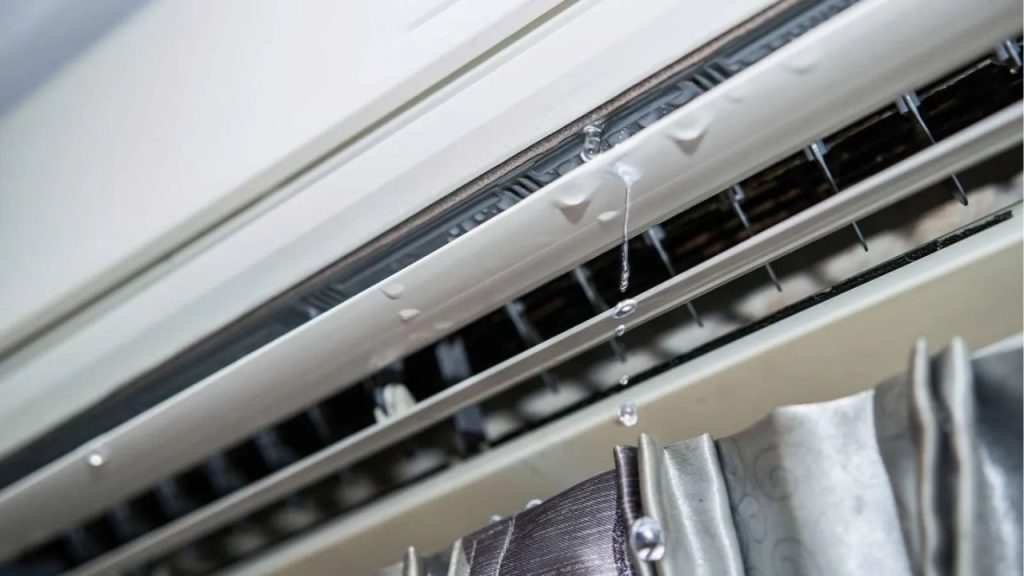
Have you ever noticed water dripping from your AC unit or puddles forming around it? Condensation is normal to a point, but too much moisture can signal a problem that affects cooling performance, indoor comfort, and even your home’s air quality. If you are searching for how to stop condensation from air conditioner, the good news is that most causes are easy to identify and fix.
Why Air Conditioner Condensation Happens
Air conditioners remove heat and humidity from indoor air. As warm air passes over the evaporator coil, moisture turns into water droplets. That water should drain away through the condensate line or drain pan. When something goes wrong, condensation can build up on the unit, ducts, or nearby walls.
Common causes include:
- Dirty air filters restricting airflow
- Clogged condensate drain lines
- Low refrigerant levels
- Poor insulation on refrigerant lines
- High indoor humidity
- Leaky ductwork or improper installation
Understanding the source is the first step in learning how to stop condensation from air conditioner systems effectively.
How to Stop Condensation From Air Conditioner Units
Replace or Clean the Air Filter
A dirty air filter is one of the most common reasons for excess condensation. When airflow is blocked, the evaporator coil can get too cold and freeze, then thaw into excess water.
Check your air filter every 30 days during heavy use. Replace disposable filters or clean reusable ones as recommended by the manufacturer.
Clear the Condensate Drain Line
A clogged drain line prevents moisture from leaving the system. This can lead to water backing up into the drain pan or leaking around the unit.
To help prevent this:
- Turn off the AC system
- Locate the drain line near the indoor unit
- Use a wet/dry vacuum to remove buildup
- Flush the line with warm water or a mild vinegar solution
Regular drain line maintenance is one of the best ways to stop condensation from air conditioner leaks.
Inspect the Drain Pan
The drain pan collects moisture before it exits the system. If the pan is cracked, rusted, or overflowing, condensation can spill out and damage surrounding surfaces.
If the drain pan is damaged, it should be replaced. A pan that is only dirty can usually be cleaned during routine maintenance.
Improve Insulation Around Refrigerant Lines
Poor insulation on refrigerant lines can cause sweating, especially in humid climates. When cold lines are exposed to warm air, condensation forms on the outside.
Wrap exposed lines with proper foam insulation and check for gaps or worn sections. This simple fix can make a big difference in how to stop condensation from air conditioner pipes and lines.
Control Indoor Humidity
If humidity levels are too high, your AC has to work harder and may create more moisture than it can handle. Use a dehumidifier if needed and make sure your home is well ventilated.
Helpful humidity control tips include:
- Running exhaust fans in kitchens and bathrooms
- Keeping windows closed on humid days
- Sealing air leaks around doors and windows
- Setting your thermostat to a stable temperature
When Condensation Means a Bigger Problem
If you keep seeing ice on the coils, frequent water leaks, or poor cooling, the issue may involve low refrigerant, a failing blower motor, or damaged ductwork. These problems usually require professional repair.
Call an HVAC technician if:
- Water is leaking from the indoor unit
- The AC coil freezes repeatedly
- You notice mold or musty odors
- The system short cycles or cools unevenly
Prevent Future Condensation Issues
Routine AC maintenance is the best long-term solution. Schedule seasonal tune-ups, keep filters clean, and inspect drains before the cooling season begins. With proper care, you can reduce excess moisture, protect your home, and improve system efficiency.
If you want to know how to stop condensation from air conditioner systems, focus on airflow, drainage, insulation, and humidity control. These simple steps can prevent leaks and keep your AC running smoothly all summer long.