
Have you ever stood in front of your washer wondering why it will not start? Learning how to start a Whirlpool washing machine is usually simple, but the exact steps can vary by model. Whether you have a top-load or front-load Whirlpool washer, this quick guide will walk you through the basics so you can get laundry moving fast.
How to Start a Whirlpool Washing Machine
Starting a Whirlpool washing machine is straightforward once you know the control layout. Most models follow the same general process: load the clothes, add detergent, choose a cycle, and press Start.
Step 1: Load the Washer Properly
Open the lid or door and place your laundry inside evenly. Avoid overloading the drum because too many clothes can affect wash performance and may prevent the washer from spinning correctly. Leave enough space for items to move freely.
Step 2: Add Detergent and Other Laundry Products
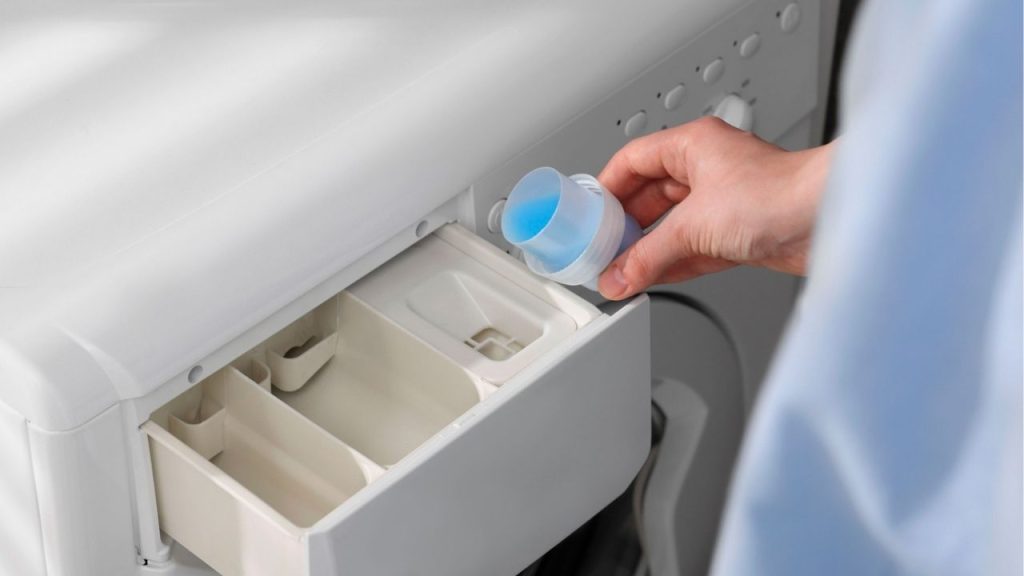
Add the recommended amount of detergent based on your load size and water hardness. If your Whirlpool washer has dispensers, use them for detergent, fabric softener, and bleach. For high-efficiency Whirlpool washing machines, use HE detergent only.
Step 3: Close the Lid or Door
Make sure the lid is fully closed on a top-load model or the door is latched securely on a front-load model. Many Whirlpool washers will not start if the lid switch or door lock is not engaged.
Step 4: Select the Wash Cycle
Turn the cycle knob or use the digital controls to choose the appropriate setting. Common options include Normal, Delicates, Heavy Duty, Quick Wash, and Bulky Items. Pick the cycle that matches your fabric type and soil level.
Step 5: Adjust Settings if Needed
You can often customize water temperature, spin speed, soil level, and extra rinse options. If you are washing towels, bedding, or heavily soiled clothes, a longer cycle with warm or hot water may be best. For delicate items, use cold water and a gentle cycle.
Step 6: Press Start
Once everything is set, press the Start button. Some Whirlpool models require you to press and hold Start for a second or two. If the washer does not begin immediately, check for a locked door, paused cycle, or control lock setting.
Common Reasons a Whirlpool Washer Will Not Start
If your Whirlpool washing machine is not starting, the issue may be simple.
Check the Power Supply
Make sure the washer is plugged in and the outlet is working. If needed, test the outlet with another appliance. Also check your home’s circuit breaker or fuse box.
Make Sure the Lid or Door Is Closed
A loose lid or door is one of the most common reasons a Whirlpool washer will not start. Reopen it and close it firmly until you hear or feel it lock.
Look for Control Lock or Delay Start
Some models include a control lock feature that disables the buttons. Others may have Delay Start turned on. Review the display panel and cancel those settings if needed.
Verify the Cycle Selection
If no cycle is selected, the washer may not begin. Turn the selector dial again or rechoose your wash program before pressing Start.
How to Start a Whirlpool Top Load Washer
A Whirlpool top load washer usually starts by lifting the lid, loading clothes, adding detergent, selecting a cycle, and pressing Start. Many top-load models begin filling after you close the lid. If yours has a power button, press it first before choosing the cycle.
How to Start a Whirlpool Front Load Washer
To start a Whirlpool front load washer, open the door, load clothes, add detergent to the dispenser, close and latch the door, select the cycle, and press Start. Front-load models often use a door lock mechanism, so the washer will not run unless the door is completely shut.
Final Tips for Easy Operation
If you want the best results, always check the care tags on clothing and avoid mixing heavy items with lightweight fabrics. Clean the washer regularly and use the right detergent type for your model. Once you learn how to start a Whirlpool washing machine, doing laundry becomes much easier and more efficient.