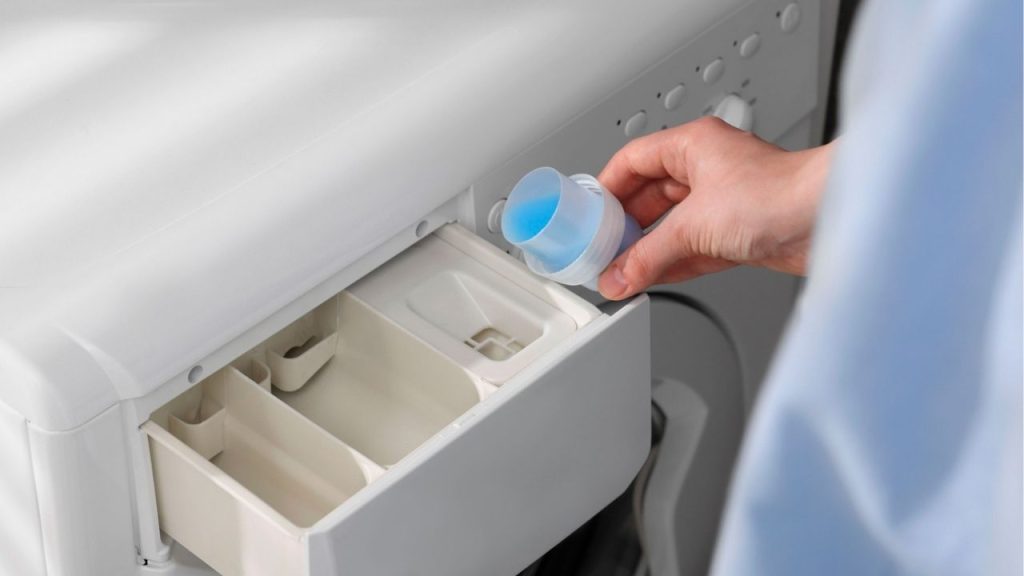
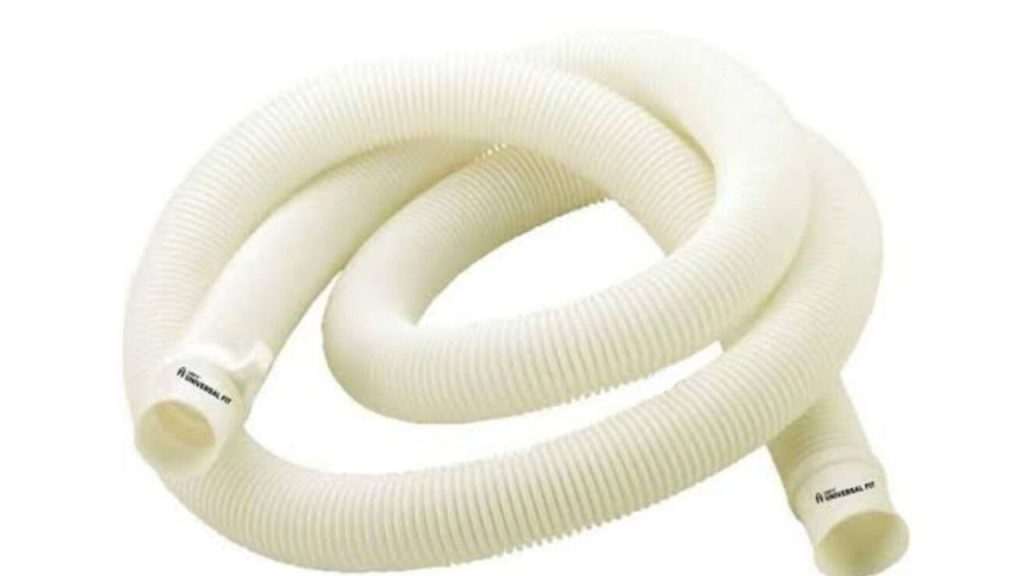
Have you ever noticed your washing machine backing up, draining slowly, or leaving a puddle on the floor? A clogged drain pipe is one of the most common laundry room problems, and knowing how to snake washing machine drain pipe can save you time, money, and frustration. With the right tools and a simple step-by-step approach, you can often clear the blockage yourself before calling a plumber.
Why Your Washing Machine Drain Pipe Clogs
Over time, lint, soap residue, fabric fibers, hair, and even small items like coins can build up inside the washing machine drain hose or standpipe. In some homes, hard water minerals can also narrow the pipe and make clogs worse. When this happens, water cannot flow out properly, which may cause slow drainage, gurgling sounds, or a backup during the spin cycle.
What You Need Before You Start
Before learning how to snake washing machine drain pipe, gather a few basic tools:
Basic tools
A drain snake or auger, a bucket, old towels, rubber gloves, and a flashlight. You may also want pliers and a wet/dry vacuum if the clog is stubborn.
Safety first
Unplug the washing machine and turn off the water supply. If the drain is full of water, place towels around the area to protect your floor from spills.
How to Snake a Washing Machine Drain Pipe Step by Step
1. Pull the washer away from the wall
Move the machine carefully to access the drain hose and wall pipe. Do not yank the hose, since older hoses can crack or loosen easily.
2. Disconnect the drain hose
Place a bucket underneath the hose connection, then slowly remove the hose from the standpipe or wall drain. Any trapped water may spill out, so keep towels nearby.
3. Inspect the hose and pipe
Look for visible clogs, lint buildup, kinks, or crushed sections. If the blockage is near the opening, you may be able to remove it by hand or with pliers.
4. Insert the drain snake
Feed the snake into the drain pipe gently. Turn the handle clockwise as you push forward. When you feel resistance, keep rotating to break through or hook the clog.
5. Remove debris and flush the line
Pull the snake back out slowly. Clean off any gunk attached to the auger, then repeat if needed. After the clog clears, run water through the pipe to make sure it drains freely.
6. Reconnect everything
Attach the hose again, secure it properly, and move the washer back into place. Run a short rinse cycle to confirm that the drainage problem is solved.
When the Clog Will Not Clear
If the washer still drains slowly after snaking the line, the clog may be deeper in the plumbing system. In that case, the main drain or vent pipe could be blocked. You may also have a damaged hose, a faulty pump, or a buildup that needs professional drain cleaning.
How to Prevent Future Clogs
To reduce the chance of another washer drain clog, clean the lint trap regularly if your machine has one, avoid overusing detergent, and check pockets before washing clothes. Running a monthly hot water cleaning cycle can also help remove soap residue and buildup from the drain line.
Final Thoughts
Learning how to snake washing machine drain pipe is a practical home maintenance skill that can help you handle a common laundry room issue quickly. With a drain snake, a little patience, and the right precautions, you can often clear a clogged washing machine drain and get your appliance working again without an expensive service call.